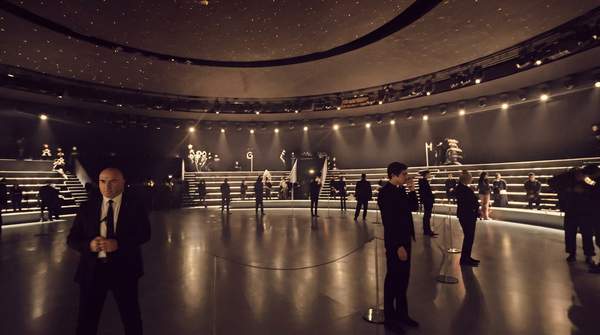
Brain Dead's recent Coach collaboration, released on May 29th, sold out within minutes, according to WWD. The immediate depletion of inventory highlights the Los Angeles brand's potent market influence.
Small, niche brands are achieving massive, instant sell-outs by operating distinctly outside traditional fashion calendars and mass-market distribution. This creates a fundamental tension for the broader industry.
Brand power now shifts from scale and ubiquity to cultural resonance, strategic scarcity, and agile collaboration—a model larger brands struggle to replicate.
The Power of the Drop
- Brain Dead cultivates a cult following for its ready-to-wear and accessories through regularly scheduled drops that sell out quickly, according to WWD.
These consistent, rapid sell-outs prove that deeply engaged, subculture-specific audiences generate demand more efficiently than broad marketing campaigns.
Collaborations as a Growth Engine
Brain Dead has engaged in collaborations with diverse brands, including A.P.C. Coach, Disney, Adidas, and Malin+Goetz, WWD reports. Traditional luxury brands, such as Coach, increasingly leverage this niche cultural cachet to inject relevance and urgency, moving beyond sole reliance on heritage.
Authenticity Drives Connection
Brain Dead's aesthetic directly reflects its founders' obsessions—art, design, gaming, music, and diverse subcultures, according to WWD. This deep, authentic connection cultivates an intensely loyal audience, ensuring efficient demand generation.
The Future of Fashion's 'Little' Giants
Brain Dead's success signals a critical juncture for the fashion market. Traditional brands, bound by outdated calendars and mass distribution, risk obsolescence. Agile, culturally aligned players like Brain Dead will continue to redefine market attention through engineered scarcity, challenging established retailers to adapt significantly by late 2026.