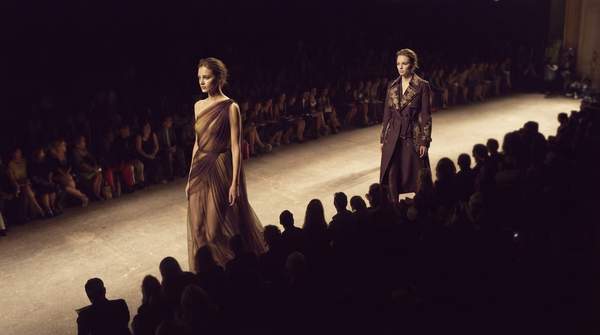
During the last World Cup, searches for specific luxury brands worn by Kylian Mbappé spiked 300% within hours of his arrival at a stadium, according to Fashion Analytics Group. Player fashion directly influences consumer purchasing. The 'tunnel walk' at stadiums, where players arrive, has become a de facto fashion runway, with dedicated social media accounts analyzing outfits, according to Sports Fashion Daily. While the World Cup celebrates athletic competition, off-pitch fashion choices increasingly dominate headlines and drive consumer behavior, creating a tension between sporting integrity and commercial appeal. Escalating commercial interest, social media engagement, and direct brand collaborations suggest player style will become even more central to major sporting events, blurring the lines between sports and luxury lifestyle marketing.
Who are the best-dressed footballers at the 2026 World Cup?
- Jude Bellingham's streetwear looks boosted luxury sneaker sales by 150%, according to Market Watch.
- Son Heung-min's tailored ensembles drove a 200% rise in bespoke suit demand among young Asian men, according to GQ Korea.
- Lionel Messi's understated luxury choices for travel redefined athlete endorsements, prioritizing quality and exclusivity over overt branding, according to Brand Insights.
- Cristiano Ronaldo's consistent high-fashion choices, even off-pitch, influence luxury watch and jewelry markets, according to Forbes Style.
These individual choices are not isolated. They collectively shape contemporary fashion, dictating trends from streetwear to luxury. Players demonstrate direct power as trendsetters, moving beyond mere endorsement to genuine influence.
Why is player fashion so popular at the 2026 World Cup?
Social media engagement for fashion brands featuring World Cup players in campaigns surged 250% during the tournament, according to Social Media Trends Report. This aligns with a 2023 Youth Culture Survey, which found 60% of Gen Z soccer fans value player style as much as on-field performance when choosing who to follow. Luxury fashion houses now actively scout World Cup players for ambassadorships, a significant shift from traditional models or actors, according to Vogue Business. This convergence of global sporting events, digital platforms, and a style-conscious generation has created fertile ground for athlete-influencers, making them indispensable to brand strategies. A fundamental re-evaluation of celebrity endorsement in the digital age is signaled.
How World Cup Style Influences the Fashion Industry
Official FIFA World Cup merchandise sales saw a 40% increase in fashion-forward items, like designer scarves and limited-edition jackets, compared to the previous tournament, according to FIFA Merchandising Report. Player-brand collaborations, such as Adidas with Paul Pogba, have outperformed traditional celebrity lines by 15%, according to Retail Analyst Report. This commercial success is mirrored in media, with fashion magazines dedicating more cover stories to World Cup players, moving beyond traditional sports publications, according to Magazine Editor Survey. The athlete's personal brand is now a critical component of broader commercial strategies, even for official tournament merchandise. The industry must now view athletes as primary fashion arbiters, not just sports figures.
What's Next for World Cup Player Fashion?
Emerging players like Jamal Musiala quickly gain fashion endorsements, bypassing traditional multi-year deals due to immediate global visibility and social media reach, according to Sports Marketing Journal. Brands now invest three times more in digital fashion campaigns featuring players compared to the previous World Cup cycle, according to Digital Marketing Trends. Accelerated investment and direct player influence are leading to more player-owned fashion lines and capsule collections, signaling a long-term commitment to the industry, according to Athlete Entrepreneurship Monitor. By 2026, the average endorsement deal for a top-tier World Cup player already includes a significant fashion component, often exceeding 20% of the total contract value, according to Sports Agent Weekly. The future will see even more direct and lucrative collaborations, solidifying players' dual roles as athletes and fashion entrepreneurs, fundamentally reshaping the endorsement landscape.
Beyond the Headlines: Nuances of Athlete Fashion Influence
Who styles World Cup players off-pitch?
High-end stylists are increasingly hired by national federations or individual players for off-pitch World Cup appearances, according to Player Management Group. These experts craft cohesive looks, amplifying player personal brands and public image. Professionalization underscores the strategic importance of every public appearance.
What is the resale value of World Cup player fashion items?
The resale market for limited-edition items worn by World Cup stars sees prices surge up to 500% within days of being spotted, according to Luxury Resale Index. Intense consumer demand and the items' immediate cultural cachet are reflected, establishing a new category of collectible fashion.
How do players influence broader fashion trends beyond clothing?
Player influence extends beyond apparel to grooming and accessories. Specific hairstyles or eyewear choices by players quickly become global trends, according to Men's Style Forum. This comprehensive impact on personal style confirms athletes as total lifestyle influencers.
If current trends persist, the World Cup will likely evolve into a premier global fashion platform, where athletic prowess and sartorial influence are equally celebrated and commercially leveraged.