The difference between a genuinely bespoke jacket and an adjusted factory template is not in the label — it is in the stitches, the seams, and the buttons you can actually work with your own hands. Patrick & Co Bespoke Tailors, writing to help customers distinguish the two, point to a short list of inspectable features: hand-padded lapels, properly sewn working cuff buttonholes, and generous fabric inlays inside the seams. Each one signals hand construction and each one has a practical consequence for fit, longevity, and future alteration. Here is how to find all three.
Understanding Bespoke Craftsmanship: More Than Just a Label
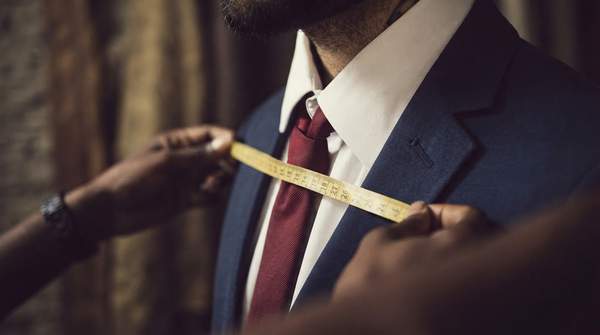
True bespoke work begins with a personal paper pattern drafted for your body, according to Patrick & Co. If no such pattern is created, the garment is built from an adjusted standard template rather than a unique design. The tailors advise asking directly whether your specific characteristics — posture, shoulder angle, sleeve pitch — are integrated during construction rather than added as afterthoughts. They also recommend asking to examine the garment while it is still being made, and confirming that three to five fittings are scheduled across separate making stages rather than one final session. Limited alteration capability, such as only trimming sleeves or taking in the waist, indicates made-to-measure limitations rather than bespoke re-cutting.
Hand-Padded Lapels: The Foundation of a Natural Drape
The lapel is where internal construction becomes externally visible. Hand-padded lapels show small, slightly irregular stitches behind them, which Patrick & Co describe as a clear sign of manual work — the deliberate imperfection of a human hand rather than the uniformity of a machine. The tailor's guidance pairs this with a floating canvas between cloth and lining, the traditional method of layering structure into a jacket. The contrast is blunt: fused interlinings and machine-padded lapels point to factory methods rather than traditional handwork. When you press the lapel, the hand-padded version should roll softly rather than sit stiff and flat. Run a finger behind it, and look for the faint, uneven stitch line.
Functional Cuff Buttons: A Mark of True Customization
Working cuff buttonholes — sometimes called surgeon's cuffs — are a definitive test. On a genuine bespoke jacket, every sleeve buttonhole is cut and sewn so each button can actually be unfastened. The Cutting Room, a bespoke tailoring house in Los Angeles, finishes every jacket with functional buttonholes and calls them "a hallmark of true bespoke craftsmanship," with each button hand-matched to the fabric's tone and texture and hand-sewn with a reinforced stem and button backer for strength. Patrick & Co put it equally plainly: a true bespoke suit will always have working buttonholes on the sleeves. Decorative, sewn-shut buttonholes indicate a garment finished by machine, and the two are easy to tell apart — simply try to open one.