
Haute Couture
30 articles
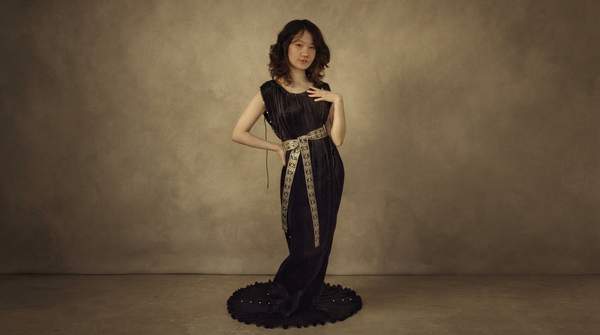
Fortuny, Accordion, and Crystal Pleating: How to Tell Haute Couture's Great Pleats Apart
Haute couture pleating is broadly divided into Fortuny's unique dimensional folds and the flat, uniform styles of accordion and crystal pleating. The article differentiates these techniques by their production methods, visual effects, and iconic examples like the Delphos gown.
From the Silk Road to the Runway: How Brocade Became Fashion's Most Traveled Luxury Textile
Brocade, a luxurious woven fabric with raised ornamentation, originated on the Silk Road and evolved into distinct traditions in China, India, and Morocco. Today, this historically significant textile continues to be a staple in haute couture and high-end fashion.
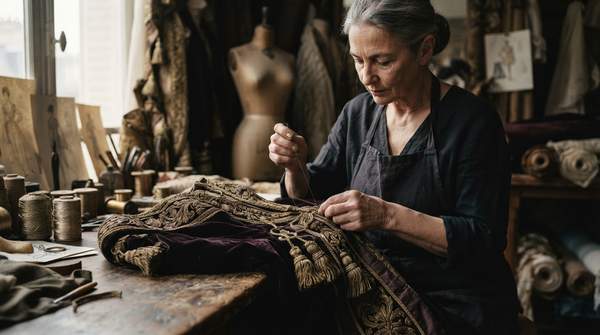
Passementerie in Haute Couture: How an Ancient Luxury Craft Became Integral to Fashion's First Great House
Passementerie, a traditional luxury craft of decorative trimmings, was intrinsically linked to the foundational principles of haute couture established by Charles Frederick Worth in 19th-century Paris. The article explores the symbiotic relationship between the craft's artisanal skill, luxurious materials, and status signaling, and the bespoke, exclusive nature of early high fashion.
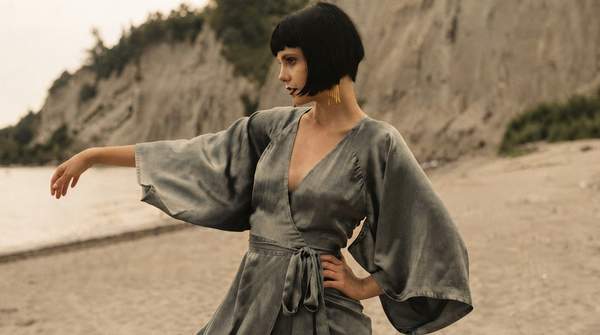
How Japonisme Remade Haute Couture: Flatness, Asymmetry, and the Kimono's Quiet Revolution
Japonisme revolutionized Western haute couture by introducing the kimono's flat construction and asymmetrical, nature-inspired surface designs. This influence, evident in the work of designers like Worth and Doucet, fundamentally altered garment design and composition.
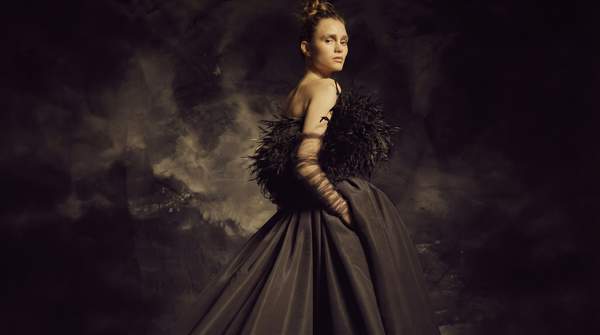
Plumasserie: The Three Stages of Haute Couture Feather Work
Haute couture feather work, or plumasserie, is an ancestral craft involving ethical sourcing, transformation of raw feathers, and meticulous embroidery onto garments. Understanding its three stages reveals the immense skill, time, and ethical considerations behind these luxurious creations.
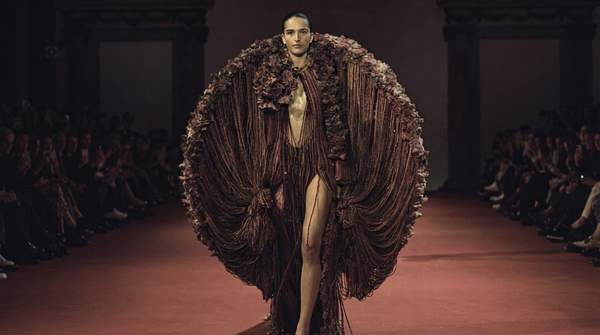
From Ballerina Slippers to Bouquets: How Dior's Couture Invitations Became the First Act of the Show
Dior's haute couture invitations, from John Galliano's theatrical objects to Jonathan Anderson's symbolic gestures, act as the crucial first narrative act of a collection. These distinct approaches reveal how invitations frame expectations and initiate the show's world before the runway.
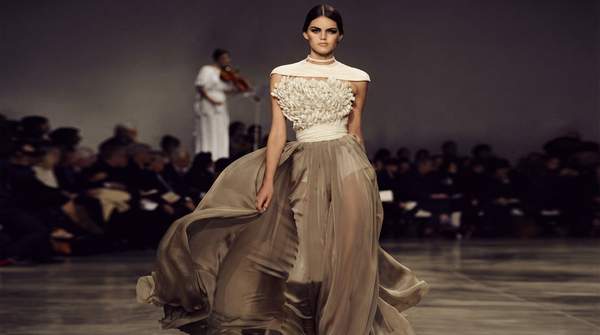
Zardozi and Lunéville: How Two Regional Embroidery Traditions Anchor Modern Haute Couture
Haute couture's intricate surfaces are shaped by distinct regional embroidery traditions like Indian Zardozi and French Lunéville. These centuries-old crafts, executed by specialized artisans, remain central to modern luxury fashion, bridging heritage with contemporary design.
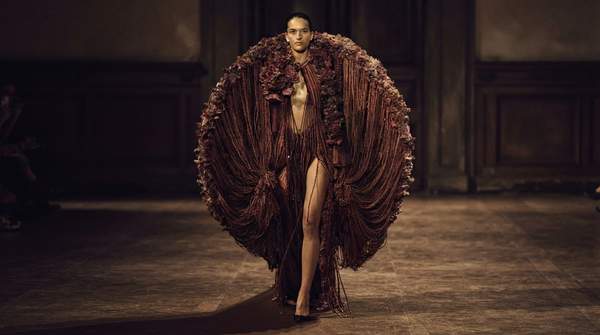
From Private Salon to Global Spectacle: How the Haute Couture Show Was Transformed
The haute couture show has evolved from an intimate private sales meeting into a global cultural spectacle, adapting its purpose, audience, and exclusivity mechanisms across distinct historical eras. This transformation reflects changing media landscapes and market dynamics, shifting from direct sales to aspirational branding.
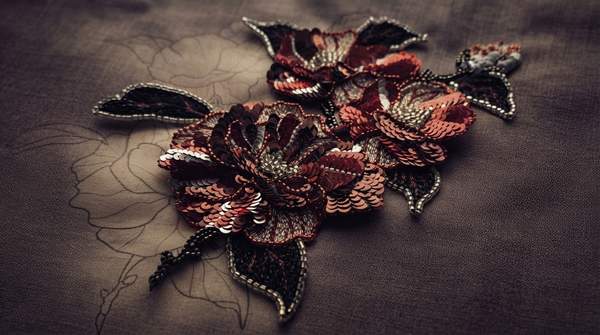
Four Skills That Define Haute Couture Embellishment — and the Three Families They Belong To
Haute couture embellishment encompasses a range of skills, broadly categorized into surface additions, fabric manipulation, and dimensional creations. Mastering these techniques requires technical proficiency in areas like hand embroidery, featherwork, and various beading methods, including the Luneville hook.
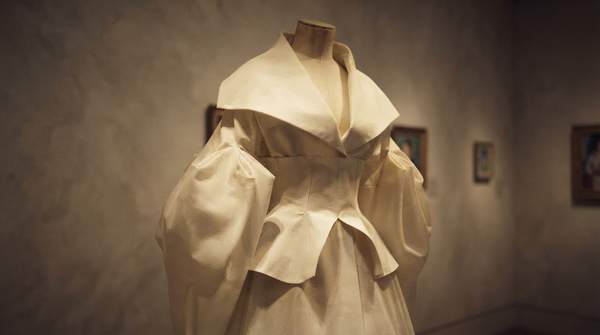
Draping vs. Drafting: How Haute Couture Chooses Its Form
The choice between draping fabric directly on a form or drafting precise 2D patterns is a fundamental decision in haute couture, influencing silhouette, fabric behavior, and production context. Understanding this trade-off reveals the craftsmanship behind a garment's final form.
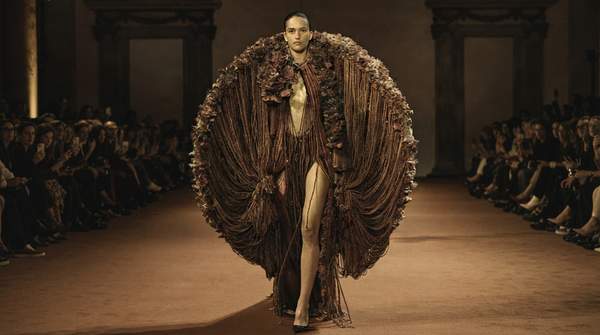
Two Movements, Two Wardrobes: How Surrealism and Art Nouveau Reshaped Haute Couture
Art Nouveau reshaped haute couture silhouettes with flowing, organic forms, freeing the body from corsetry, while Surrealism later unsettled minds with conceptual garments that displaced objects and subverted reality. This article explores how these distinct art movements influenced 20th-century fashion.
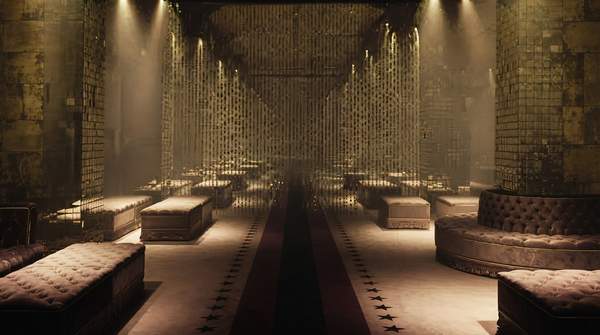
How Chanel's Supermarket, Dior's Circus, and Viktor & Rolf's Living Room Rewrote the Runway
Memorable haute couture shows use set architecture, lighting, and live performance as deliberate storytelling instruments to construct narratives beyond the garments alone. This analysis breaks down how Chanel, Dior, and Viktor & Rolf masterfully employed these elements to create immersive runway spectacles.
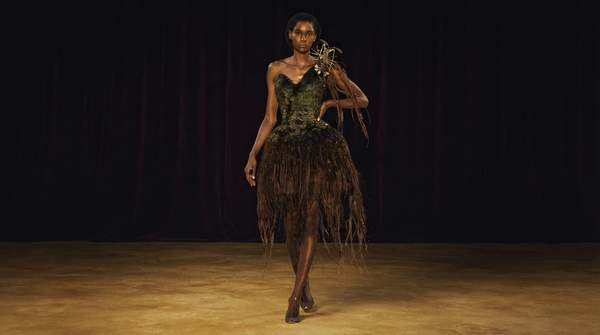
Raoul Dufy's Textile Revolution: How a Fauvist Painter Redefined Haute Couture Fabric
Raoul Dufy, celebrated for his Fauvist paintings, significantly impacted haute couture by transitioning his bold lines and vivid colors into influential textile designs for couturiers like Paul Poiret and the manufacturer Bianchini-Férier.
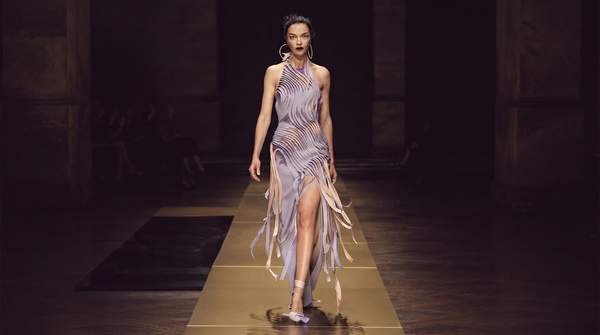
From Stitched Folds to Steam-Set Moulds: How to Read the Pleats of Haute Couture
Haute couture pleats are distinguished by their construction method, primarily stitched into garments or set by hand in heat-activated moulds. Understanding these techniques, from precision stitching to heritage mould-setting by ateliers like Lognon, reveals the artistry behind couture.
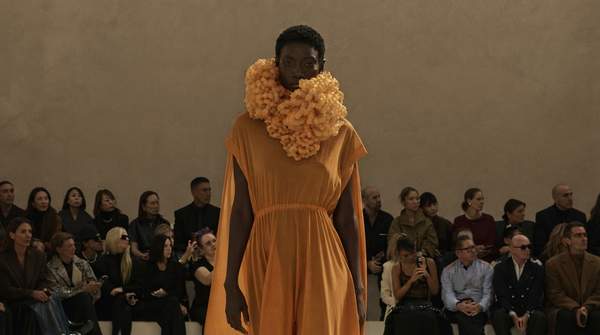
Four Ways to Stage a Couture Collection: Intimate Salons, Catwalks, Spectacles and Digital Hybrids
Haute couture houses employ four archetypal presentation formats—intimate salons, traditional catwalks, theatrical spectacles, and digital hybrids—each offering distinct narrative and audience engagement possibilities. Understanding these formats is key to deciphering brand strategy and collection storytelling.
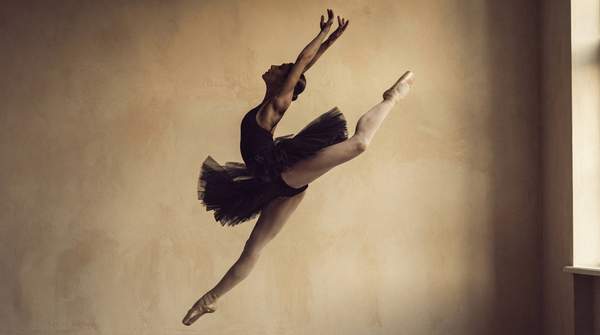
From Tutu to Couture: How Ballet Shaped the Silhouettes of High Fashion
Ballet's stage costumes, designed for freedom of movement and specific materials, have profoundly shaped haute couture silhouettes and aesthetics for two centuries. From the Romantic tutu to Ballets Russes influences and Coco Chanel's designs, functional innovations from the dance studio have repeatedly translated into fashion's most enduring styles.
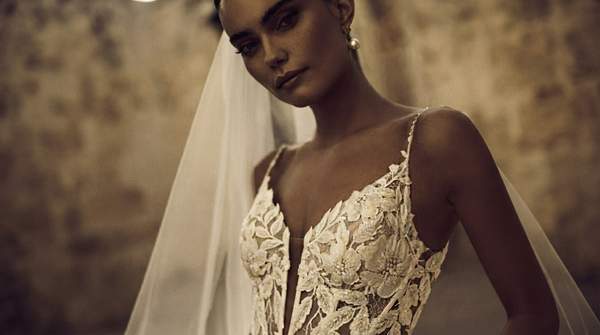
Needle or Bobbin? How Two Ancient Techniques Explain the Look of Haute Couture Lace
Haute couture lace is defined by two ancient techniques: needle lace, built stitch by stitch for density and structure (e.g., Alençon), and bobbin lace, woven for sheerness and flow (e.g., Chantilly). Understanding these methods reveals how construction dictates the fabric's appearance and use in luxury fashion.
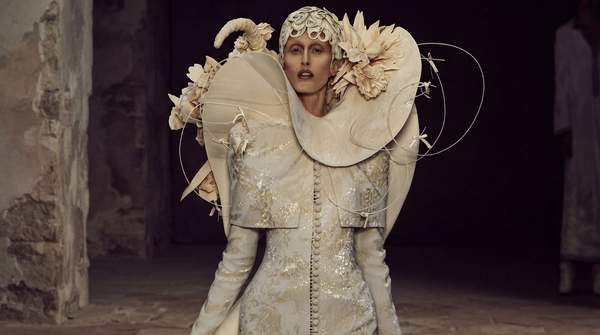
Passementerie in Haute Couture: How Tassels, Cords, Fringes and Braids Are Made
Passementerie encompasses ornamental trimmings like tassels, cords, fringes, and braids, each created through distinct artisanal processes such as weaving and cord-spinning. This ancient craft remains a vital element in haute couture, signifying luxury and bespoke craftsmanship.
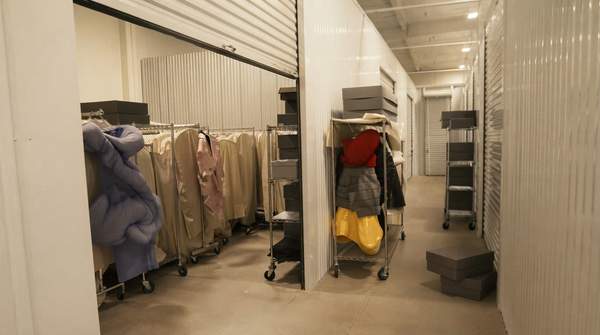
Four Ways to Authenticate a Vintage Garment — and Why No Single One Is Enough
Authenticating vintage haute couture requires a comparative, multi-layered approach, combining physical examination, archival research, provenance, and technology. No single method is sufficient, as each has limitations and can be deceived.
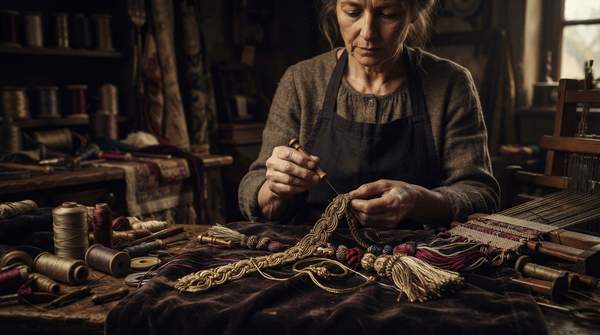
From Medieval Silkwomen to the Houses of Worth: The Long History of Passementerie
Explore the rich history of passementerie, the art of textile embellishment, from its medieval European origins and Renaissance guilds to its essential role in Parisian haute couture.
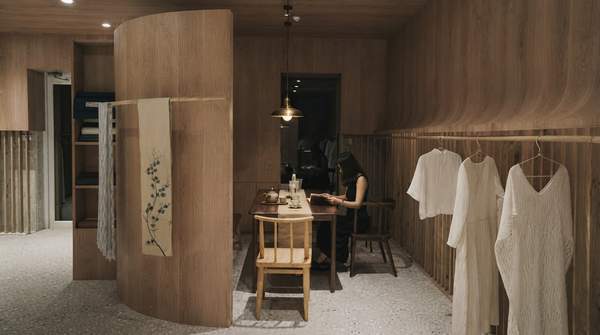
Flou and Tailleur: The Two Workrooms That Divide Haute Couture
Haute couture houses are traditionally divided into two distinct workrooms: Atelier Flou for soft, draped garments and Atelier Tailleur for structured, tailored pieces. This specialization ensures mastery of vastly different construction techniques, materials, and garment types.
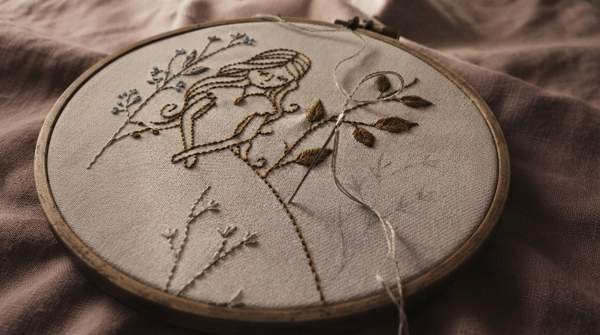
From Altar to Atelier: How Goldwork Embroidery Went From Power to Couture
Goldwork embroidery, historically a symbol of institutional power and prestige, has transitioned from adorning religious vestments and royal regalia to becoming a hallmark of luxury and craftsmanship in modern haute couture.
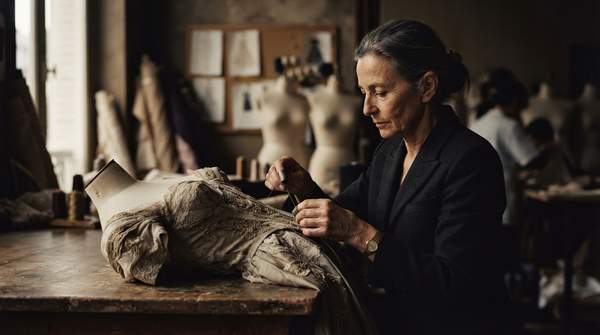
The Première d'Atelier: Architect of Haute Couture
The première d'atelier is the pivotal figure in haute couture, translating a designer's abstract sketch into a tangible garment through technical mastery and workshop leadership. This role demands specialized expertise, often within distinct ateliers like Flou for draped pieces or Tailleur for structured garments.
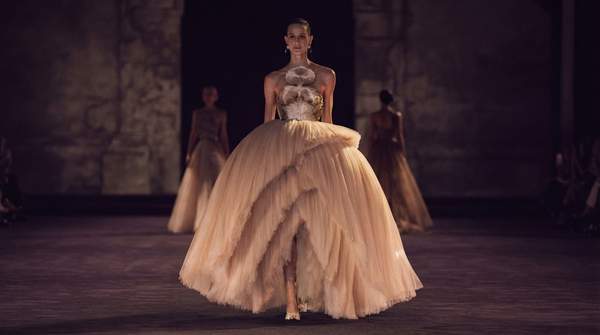
From the Silk Road to the Runway: The Art of Lunéville Embroidery
Lunéville embroidery, a refined French craft originating from ancient China, is a cornerstone of haute couture, distinguished by its meticulous application of beads and sequins using a fine hook from the reverse side of the fabric.
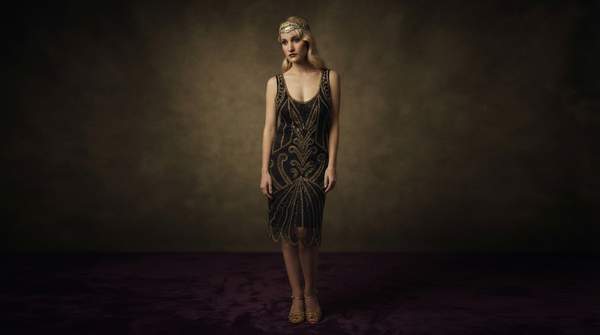
How Art Deco's Geometric Glamour Was Woven into Haute Couture
Explore how the Art Deco movement's core principles of geometry, luxury, and modernity were masterfully translated into haute couture during the 1920s and 1930s. Discover how designers like Jeanne Lanvin used sleek lines, rich materials, and bold geometric forms to create avant-garde garments that defined an era of glamour.
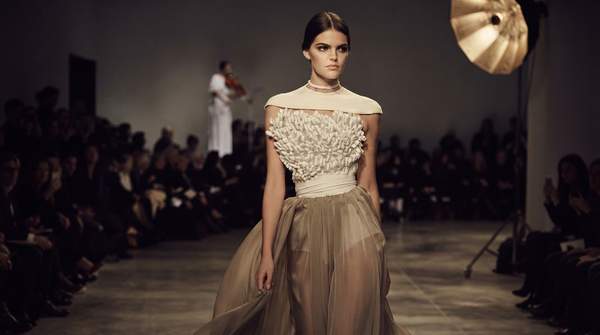
Comparing Haute Couture Pleating Techniques: Structure, Aesthetics, and Craft
Haute couture pleating techniques, including Accordion, Sunburst, and meticulous hand-pleating, are crucial for garment structure, movement, and aesthetic appeal. Understanding these methods reveals the artistry and savoir-faire distinct from industrial production.

Haute Couture Atelier: 10 Master Techniques & Practices
In 1947, a major fashion house was tasked with creating around 180 prototypes for a collection in little less than a month and a half, as reported by Galerie Dior .

How Haute Couture Hand Embroidery Techniques Work
Even after a haute couture garment is assembled, the embroidery team meticulously blends small gaps along seams, ensuring an invisible perfection that belies immense, collaborative effort.

Haute couture's 2026 influence reshapes luxury living beyond the runway.
While only a few hundred clients worldwide attend Paris Couture Week, its design principles now dictate finishes in luxury apartments and bespoke details in high-end automotive interiors.

Independent Jewelers Creating Unique Luxury Designs
Vogue, high fashion's enduring arbiter, now champions independent jewelers crafting unique luxury designs.