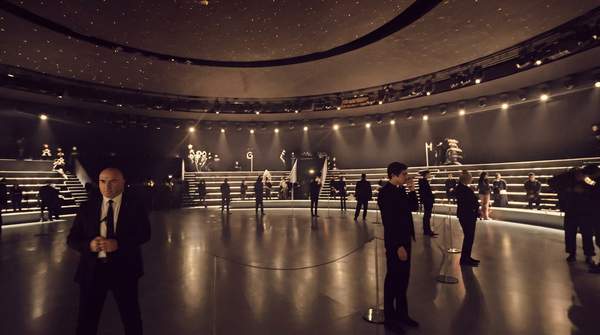
On Milan's Via Gesù, Berluti has just unveiled its latest European boutique, a ground-floor outpost in the Four Seasons Hotel Milano. The opening signals a renewed push for ultra-luxury exclusivity, a core element of Jean-Marc Mansvelt's 2026 Berluti luxury strategy. The Milan store is the first in Europe to feature Berluti's updated retail concept, initially introduced in Tokyo five years ago, according to WWD.
Berluti is making significant investments to expand its new retail concept globally and elevate its brand. Simultaneously, the company narrows its product presentation and target audience for a more exclusive market position. The narrowing of its product presentation and target audience creates a tension between physical expansion and product scarcity.
Berluti appears to be trading potential market volume for enhanced brand prestige and higher margins per customer. The strategy could redefine its competitive landscape within the ultra-luxury segment, positioning it alongside top-tier houses.
Berluti's Current Market Position
Berluti, under CEO Jean-Marc Mansvelt, positions itself as a specialist in patina, design, and shoemaking, with a single pair of shoes commanding $2000, according to The Shoe Snob and The Time Place Magazine. This price point inherently filters its customer base, targeting ultra-high-net-worth individuals for whom such a purchase is trivial. The Milan boutique, located on Via Gesù within the Four Seasons Hotel Milano, is Europe's first to adopt Berluti's updated retail concept, a strategy first deployed in Tokyo five years prior, WWD reports. The calculated placement in prime luxury real estate reinforces its exclusive appeal, signaling a deliberate disengagement from aspirational buyers.
A Global Rollout of Exclusivity
CEO Jean-Marc Mansvelt is steering Berluti towards a more exclusive market. The brand has abandoned seasonal collections, opting instead for a single annual presentation during Paris Fashion Week men's shows in June, according to WWD. The move aims to recenter the business on lucrative segments and markets, prioritizing enduring prestige over fleeting trends. As of WWD's report, approximately half of Berluti's 65 global stores were slated to convert to the new retail concept by the end of 2026. Berluti aims to be a leader in the high-end designer world, comparable to brands like Hermes, Gucci, and Prada, states The Shoe Snob. The aggressive retail concept rollout, coupled with a reduced product visibility, demonstrates a clear ambition to compete directly with elite luxury houses by focusing on scarcity and high-value markets, rather than broad appeal.