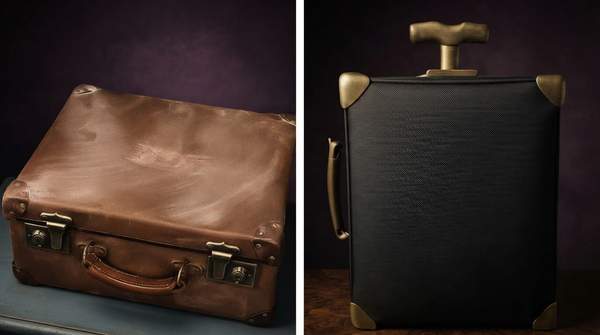
62% of aspirational luxury clients are now willing to buy certified pre-owned products directly from luxury brands, an 8% year-on-year increase, according to EY. The willingness of 62% of aspirational luxury clients to buy certified pre-owned products directly from luxury brands, an 8% year-on-year increase, signals a profound shift in consumer desire, does it not? Yet, this growing appetite for conscious consumption unfolds against a backdrop of soaring traditional luxury sales. Consumers, it seems, increasingly define luxury not solely by new purchases, but by sustainability, bespoke experiences, and thoughtfully curated pre-owned options. This tension presents a compelling challenge: luxury brands that fail to embrace circularity, experiential value, and ethical transparency risk alienating a significant and growing segment of aspirational consumers, leaving substantial market potential untapped.
Traditional luxury sales, exemplified by LVMH’s 20% increase in 2022 annual results, per Straits Research, remain robust. Yet, beneath this veneer of consistent growth, a quieter transformation is underway. While new items sell, aspirational clients are subtly reshaping luxury's definition. This disconnect, between traditional offerings and evolving consumer values, highlights an overlooked market segment where values beyond mere acquisition are gaining prominence. A fascinating development, wouldn't you agree?
The Allure of Pre-Owned Luxury
The pursuit of luxury is no longer solely about acquiring something brand new. For 62% of aspirational clients, an 8% year-on-year increase, it now encompasses a desire for provenance and authenticity found in a meticulously curated second life. This evolving preference fundamentally changes how consumers define and access luxury, moving beyond pure newness. Sustainability and responsible sourcing are becoming integral to the luxury experience itself. A certified pre-owned item offers an accessible entry point without compromising quality or heritage, opening an entirely new dimension of engagement for brands. A clever maneuver, if you ask me.
The Unmet Demand for Luxury Experiences
- 73% — of aspirational luxury clients are willing to pay for luxury experiences, yet 30% report not having received any in the past 12 months, according to EY.

This gap between desire and delivery represents a significant missed opportunity. Brands slow to adopt experiential offerings risk disengagement and lost revenue from a highly motivated segment. Luxury aspiration now extends beyond tangible goods to immersive moments, personalized services, and unique access. These experiences foster deeper loyalty than a mere transaction. Brands are missing a critical growth lever by not delivering on this demand. The modern luxury client seeks stories and enriching interactions, not just status symbols. What an oversight, one might ponder.
Gen Z's Influence on Conscious Consumption
Certified pre-owned products significantly boost purchase likelihood for 46% of aspirational luxury clients, climbing to 53% for Gen Z. This demographic, naturally trendsetting, views pre-owned items as a prime luxury entry point, reflecting a wider generational move toward sustainable and accessible consumption, much like the growing interest in conscious quitting for employee retention. Younger consumers value circularity and ethics alongside brand prestige, seeing certified pre-owned goods as a smart way to blend personal style with environmental awareness. Brands not offering certified pre-owned programs are missing a key growth opportunity, given this heightened purchase likelihood. A clear directive indeed.
Brunello Cucinelli: A Model of Ethical Luxury
Brunello Cucinelli stands apart by embedding ethical practices into its core identity. The brand is known not just for exquisite cashmere, but for its commitment to human dignity and sustainable production, prioritizing artisan well-being and fair working conditions. This dedication forms a core component of its appeal, resonating deeply with conscious consumers. It proves that luxury can, and should, extend beyond the product to encompass the entire value chain. For aspirational clients seeking more than a label, Cucinelli offers a narrative of responsible craftsmanship and social conscience, proving luxury can be both opulent and principled. A refreshing perspective, indeed.
The Enduring Influence of Values-Driven Niche Brands
Brands like Brunello Cucinelli, despite their scale, reveal a compelling truth: their appeal rests on deep values and authentic practices, not sheer volume. These brands exert disproportionate influence, shaping consumer expectations for transparency and social responsibility. Authenticity and strong ethical foundations will increasingly dictate market leadership. Consumers, especially younger generations, discern genuine commitment from mere marketing, investing in brands that reflect their ethos. True luxury extends to creation integrity. Authenticity and strong ethical foundations increasingly dictating market leadership, and consumers discerning genuine commitment from mere marketing, suggests a future where purpose-driven narratives hold as much weight as heritage or craftsmanship. A profound shift in what truly matters, wouldn't you say?
The Digital Imperative in Luxury's Evolution
- Luxury brands must leverage digital platforms to communicate ethical commitments and circularity initiatives effectively.
- The online journey, from discovery to post-purchase engagement, needs to be seamless and reflect brand values.
- Digital channels offer unparalleled opportunities for personalized experiences, catering to aspirational clients seeking bespoke interactions.
- Brands neglecting a cohesive digital strategy risk losing relevance among conscious consumers.
A robust, integrated online strategy is essential for luxury brands to capture and serve the modern conscious consumer. The digital space offers a unique avenue to communicate values, facilitate access, and cultivate community. Brands embracing this imperative will thrive in an evolving market where digital presence is synonymous with relevance. The digital salon, if you will, is now paramount.
If luxury brands fail to integrate certified pre-owned programs and experiential offerings, they will likely see their market share eroded by competitors more attuned to the evolving desires of values-driven aspirational clients.