When I hold a flacon that commands a collector's devotion, I am rarely admiring the glass alone. The soul of a luxury perfume bottle lives in its decoration—the gleam of a plated surface, the sculptural ambition of a metal flower, the quiet authority of a frosted shoulder. Among packaging specialists, two techniques stand at the summit of this craft: electroplating, which cloaks glass in a metallic mirror, and custom metalwork, which turns a bottle into a small work of sculpture. Around them gather humbler but no less deliberate touches—hot stamping, frosting, and color spraying—that complete the vocabulary of luxury. Here is how to read them.
Electroplating: The Mirror Finish of Prestige
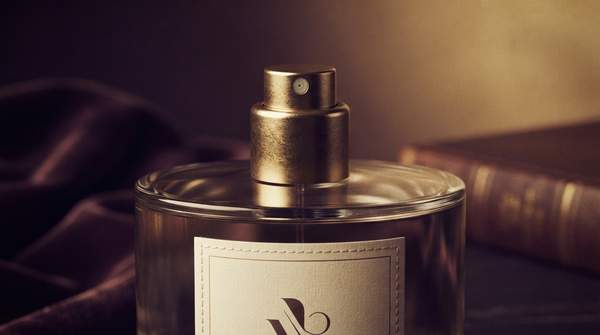
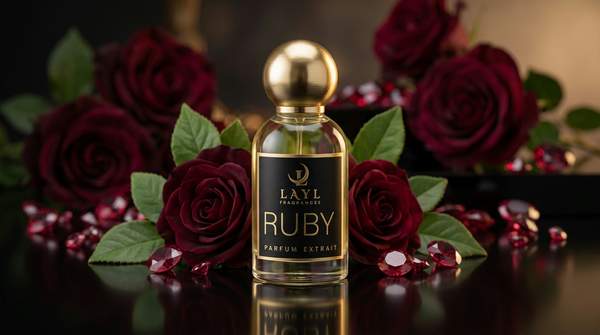
Electroplating creates a highly reflective metallic coating that completely transforms the appearance of a glass bottle, according to packaging supplier Feemio's decoration guide. Popular finishes include gold, silver, chrome, and copper, all rendered as mirror-like effects. Because of this luxurious appearance, the technique is commonly reserved for prestige fragrances and high-end cosmetic packaging, and it dramatically increases the perceived value of the product.
The craft is more demanding than it appears. Glass cannot conduct electricity on its own, so it must first be metallized—specialists at Jiangyin U-nuo describe applying fine metallic powders to the surface to raise its conductivity before plating can begin. The reward is substantial: nickel plating adds durability and corrosion resistance, while gold offers resilience against tarnish and wear alongside its obvious opulence. Feemio notes the trade-offs plainly—higher production cost and a longer manufacturing process—for a finish best suited to luxury brands, collector editions, and premium product lines.
Custom Metalwork: Intricate Designs and Sculptural Elegance
Where electroplating seduces with reflection, custom metalwork seduces with form. Metal accessories—caps, collars, decorative elements—can be engineered as intricate, multi-part compositions rather than simple closures. Feemio credits this technique with a highly distinctive appearance and nearly unlimited customization possibilities, positioning it for niche perfume brands, creative product launches, and exclusive custom packaging, with the caveat that unique designs may require custom process development and higher development cost.
The most vivid illustration I have found comes from a fragrance-industry account at Essencional, describing the bottle created for Kaviar Gauche. A gilded flower was perched atop the flacon, and because every petal demanded its own mould, the flower was assembled from five or six separate forms of metal—so that no two flowers are exactly alike. The gold tone itself was bespoke, inspired by the hair color of the brand's designers, a copper-gold shade the maker describes as putting "the designers DNA into the bottle," completed by a transferred golden rim. This is where decoration becomes identity.
Other Artisanal Touches: Hot Stamping and Frosting
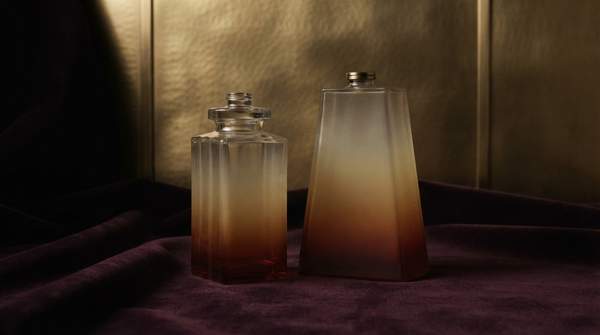
Not every luxury cue arrives through metal. Feemio's guide catalogs a family of additional premium decoration techniques that refine a bottle's surface and brand identity: hot stamping, which presses foil details with crisp metallic precision; frosting, which softens clear glass into a satin, touchable texture; and color spraying, which tints the vessel in gradients or deep saturated hues. Each offers a distinct sensory register—shine, softness, or color—with its own production considerations.
These finishes rarely work alone. A frosted body may carry a hot-stamped logo; a sprayed gradient may be crowned with a metal cap. It is in the pairing that a brand composes its signature, layering tactile contrasts that a single technique could not achieve. Glass sourcing guides, such as Impacked's, stress that flawless finishing is critical in perfume packaging, and that suppliers offering in-house decoration command a distinct advantage in serving prestige brands.
Comparative Guide to Luxury Perfume Bottle Decoration Techniques
To sort these finishes into a practical field guide, I have organized the evidence by what each technique does to the eye, what it signals about value, and where it best serves a brand's ambitions.
| Technique | Visual Effect | Perceived Luxury | Best For |
|---|---|---|---|
| Electroplating | Mirror-like metallic coating in gold, silver, chrome, or copper | Premium mirror finish with high visual impact; nickel adds durability and corrosion resistance | Luxury brands, collector editions, premium lines needing high surface gloss |
| Custom metalwork | Intricate multi-part designs, such as metal flowers on caps and collars | Highly distinctive; sculptural uniqueness elevates collectible status | Niche brands, creative launches, bespoke and exclusive packaging |
| Hot stamping | Pressed metallic foil detail | Premium decoration technique reinforcing brand identity | Adding precise brand marks alongside other finishes |
| Frosting | Satin-textured, softened glass surface | Premium surface treatment | Tactile contrast on clear or tinted glass |
| Color spraying | Tinted or gradient color coatings | Premium decoration technique | Brand-specific palettes and creative launches |
Read this way, the table divides the field into two philosophies. Electroplating delivers universal glamour through reflection—costly, slow to produce, but instantly legible as prestige. Metalwork delivers distinction through uniqueness—each assembly an act of individual craftsmanship, at the price of custom development. The surface treatments refine both.
Identifying Craftsmanship: A Collector's Edge
To fully appreciate the value and artistry of luxury perfume bottles, collectors and enthusiasts should actively identify and understand the specific decoration techniques used. The distinction matters materially: a plated bottle promises durable, reflective opulence, while a hand-assembled metal flower—born from five or six moulds, no two alike—promises singularity. Trade-offs sharpen the judgment, too, since electroplating carries higher production costs and longer manufacturing, while bespoke metalwork demands custom process development for unique designs.
The measurable test is simple, and it is this article's parting gift: examine your next flacon and ask whether you can distinguish a bottle with an electroplated finish from one featuring custom metalwork—recognizing the mirror-borne luxury of the former and the sculptural, one-of-a-kind craftsmanship of the latter. The moment you can name the technique, you have begun to see the bottle the way its makers intended: not as a container for scent, but as the fragrance's first and most enduring impression.
Sources
- Perfume Bottle Decoration Guide: 8 Custom Finishes — Feemio Perfume
- The Art of Electroplating: Transforming Cosmetic Glass Packaging - Jiangyin U-nuo — Unuocosmetics
- BEHIND THE FLACON: CREATING THE PRECIOUS VESSEL TO HOLD FRAGRANCE — Essencional
- The Ultimate Guide To Glass For Luxury Perfume Bottles — Impacked Blog