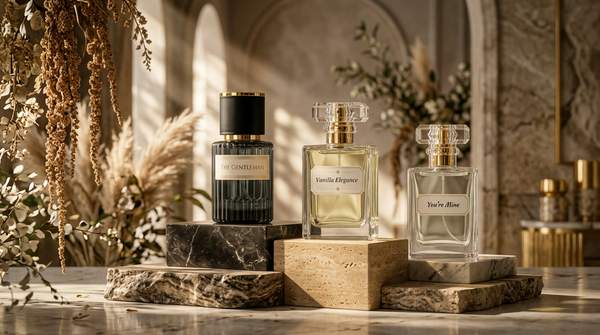
The long-standing ideal of a single, signature scent is being replaced by a more fluid and expansive concept: the fragrance wardrobe. Driven by Gen Z consumers, this shift is fueling a boom in the perfume industry, with the prestige fragrance market growing by nearly $2 billion to reach $8.3 billion between 2021 and 2023. This generation’s approach is not a random collection of trends but a coherent and economically rational strategy for scent exploration, built on sampling, embracing affordable alternatives, and curating a diverse collection of fragrances for every mood and occasion. This new consumer logic is creating both immense opportunity and a significant strategic dilemma for luxury and mass-market brands alike.
Gen Z's 'Scent Wardrobe' Strategy: Variety Meets Value
At the heart of Gen Z's influence on the fragrance market is the rejection of lifelong loyalty to one perfume. Instead, they are curating a "scent wardrobe," a collection of fragrances to match different moods, seasons, and aesthetics. According to market data, Gen Z consumers typically own between eight and 12 different scents, a stark contrast to the two or three bottles traditionally kept by Baby Boomers. This desire for variety is a primary driver of their purchasing habits, with a 2023 study by Circana finding that 83% of Gen Zers use fragrance, outpacing older generations.
This behavior is heavily influenced by social media, where platforms like TikTok have become the new discovery counter. The "PerfumeTok" community has democratized fragrance expertise, with everyday users becoming trusted guides who accelerate micro-trends and introduce followers to niche scents. Instead of picking one signature scent, young consumers are cycling through aesthetics, building a collection that reflects a fluid identity. According to Anna Mayo, Vice President of NielsenIQ’s Beauty Vertical, Gen Z’s consumption is driven by "their usage habits of curating a 'fragrance wardrobe' rather than one signature scent, and looking for a scent to complement various moods." This digital-first discovery process aligns perfectly with a strategy centered on exploration and rotation rather than a singular, long-term commitment.
The trend extends across genders, challenging traditional market segmentation. An investment bank survey by Piper Sandler noted that fragrance spending among teen boys had increased by 26% since the spring of 2023, indicating a broad-based cultural shift in how young people view scent as a form of personal expression.
The Role of Sampling and Smart Sizes in Scent Exploration
To build these extensive scent wardrobes without breaking the bank, Gen Z has embraced sampling as a fundamental part of their purchasing journey. For this demographic, sampling is the key entry point to the fragrance world, with 25% preferring to try samples before committing to a full-size bottle. This has fueled the popularity of smaller, "smart sizes" ranging from 10 to 50 ml, as well as curated discovery sets that allow for broad yet affordable exploration. This behavior effectively solves a long-standing problem for the fragrance industry, which struggled with e-commerce because scents couldn't be tested through a screen.
This approach represents a calculated economic decision. A 2025 report from Mintel highlights that consumers rationalize the cost of sample sets—even when the price per milliliter is higher than a full-sized bottle—as a savvy way to stay on trend and explore a wider variety of scents. This willingness to pay a premium for smaller quantities underscores a strategic focus on building a diverse and cost-effective collection. For Gen Z, the value lies not in owning a large bottle, but in having access to a versatile palette of fragrances that can be rotated and layered to create a personalized olfactory statement.
Embracing 'Dupes' and Accessible Formats: The Value Proposition
A crucial component of Gen Z's strategy is the enthusiastic adoption of affordable alternatives, from high-quality "dupes" to sophisticated body mists. Social media has fueled a significant demand for less expensive versions of high-end perfumes, which can be priced at €150 or more. Young consumers increasingly view these dupes not as cheap knockoffs but as savvy purchases, a smart way to access a desired scent profile without the luxury price tag. This perception is creating direct pressure on prestige brands to reconsider their pricing and accessibility.
Alongside dupes, lower-cost formats have seen explosive growth. Body sprays and mists, with average prices under $25, have more than doubled in sales revenue since the first half of 2023, according to data from Circana. This generation, which may have started with simple body mists, is now graduating to more complex and sophisticated scents within this accessible format. Brands like Sol de Janeiro, owned by the L’Occitane Group, have become favorites among Gen Z and Gen Alpha, with one retail expert noting, "Every [retailer] is looking for the next Sol de Janeiro." These products serve as a low-risk entry point for scent exploration, allowing consumers to experiment with layering and build out their scent wardrobe at a fraction of the cost of traditional perfumes.
Gen Z's Fragrance Strategy: An Explanatory Model
The seemingly separate trends in Gen Z's fragrance consumption—sampling, embracing dupes, and building a scent wardrobe—are interconnected parts of a single, logical strategy. This model explains how these behaviors work together to maximize scent variety and personal expression while carefully managing costs, fundamentally altering the traditional path to purchase.
| Component | Description | Economic Rationale |
|---|---|---|
| Consumer Goal: The 'Scent Wardrobe' | Gen Z seeks a diverse collection of 8-12 fragrances to match different moods, occasions, and aesthetics, moving beyond the single signature scent. | Maximizes personal expression and aligns with a fluid, trend-aware identity without being locked into one expensive product. |
| Tactic: Sampling & Smart Sizes | Prioritizing the purchase of samples, travel sizes (10–50 ml), and discovery sets as the primary, low-risk entry point for trying new scents. | Minimizes financial risk before committing to a full-size bottle. The higher cost per milliliter is justified by the ability to build a varied collection affordably. |
| Tactic: Affordable Alternatives ('Dupes' & Body Mists) | Embracing high-quality 'dupe' fragrances and lower-cost formats like body mists as savvy ways to access desired scent profiles and expand their collection. | Allows for participation in luxury scent trends and broad experimentation at a fraction of the cost of prestige brands, freeing up capital for other scents. |
| Driving Force: Social Media Discovery | Using platforms like TikTok to discover new and niche fragrances, with everyday users replacing traditional experts as trusted guides. | Reduces reliance on in-store testing and traditional marketing, enabling rapid discovery and validation of scents that fit their curated aesthetic. |
Navigating the New Scent Landscape: Brand Implications
The fragrance market has been reshaped by a generation that values exploration over loyalty and curation over conformity. For brands to succeed in this new landscape, they must adapt their strategies to engage Gen Z by offering accessible entry points and diverse product formats, while carefully managing their luxury brand perception. The old model of selling a single dream in a large bottle is no longer sufficient. Instead, brands must offer a portfolio of experiences, from affordable mists and trial-sized vials to the ultimate prestige fragrance, meeting consumers wherever they are in their scent journey.
This presents a complex challenge. Brands must navigate a delicate balance, engaging this trend-aware, value-conscious consumer without cannibalizing sales of their higher-margin, full-size products or diluting their luxury image. According to analysis from Mintel, a key strategy is to offer quality scents at different price points. This approach allows fragrance wearers of different economic backgrounds "to smell like the status they desire without having to spend a lot." The goal is to create a clear pathway for consumers to "trade up," moving from a body mist or a discovery set to a full-size bottle. This involves focusing marketing efforts on the craftsmanship, ingredients, and perfumers behind the scents to demonstrate that luxury is attainable and worth the investment, regardless of the initial budget.
The most successful brands will be those that embrace this new paradigm, fostering discovery and proving their value at every price point. A key indicator of successful adaptation will be the ability to both capture the trial market and encourage a move to more premium products. Therefore, brands should monitor the sales growth of discovery sets, travel sizes, and brand-sanctioned 'dupe' or accessible lines, alongside the sustained sales of full-size prestige fragrances, to gauge successful adaptation.
Sources
- Social Media Fuels Fragrance Sampling as Gen Z and Gen Alpha Seek Affordable Prestige — Mintel
- How to Keep the Gen-Z Fragrance Boom Going - WSL Strategic Retail
- Gen Z's latest obsession: smelling good — Business Insider
- How Gen Z and Men are Stirring Up the Fragrance Market — Uschamber
- Gen Z Fragrance Statistics 2026: 35+ Stats on the New Perfume Generation — Scento
- ‘Spray 100 times’: inside TikTok’s wild new world of men’s fragrance — South China Morning Post