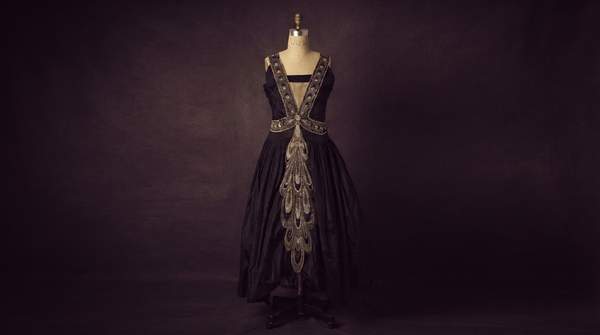
In 1926, Vogue published a drawing of a simple, calf-length black crêpe de Chine dress, adorned only with pearls, declaring it 'Chanel's Ford'. The label 'Chanel's Ford' positioned the garment as universally accessible, marking a pivotal moment in the origins and impact of the little black dress.
Yet, the little black dress, introduced as an accessible, functional garment for the masses, quickly transcended its utilitarian origins to become a symbol of enduring, aspirational style. This inherent tension between democratic intent and aspirational outcome shapes its historical trajectory.
The LBD's enduring success reveals that design rooted in practical elegance and broad appeal achieves greater cultural longevity and iconic status than exclusive, trend-driven fashion.
Coco Chanel's Vision for Democratic Fashion
Coco Chanel's 'little black dress' venerated the dandy's style, embracing monastic austerity and prioritizing function, according to Google Arts & Culture. This philosophy radically departed from the ornate, restrictive fashions of the early 20th century. Chanel envisioned a garment that would liberate women from sartorial constraints, offering a versatile foundation for any wardrobe. Her initial vision was to create a universally accessible item, prioritizing functional elegance and minimalist design. This approach not only simplified dressing but also empowered women with a practical yet chic option for various occasions, emphasizing comfort and understated sophistication over elaborate display. It suggested that true style lay not in ostentation, but in effortless utility.
The Design Philosophy: Austerity and Perfection
Chanel's design process for the little black dress exemplified a deliberate pursuit of minimalist perfection. She aimed to create clothing both functional and aesthetically refined, stripping away unnecessary embellishments to reveal the garment's essential form. This functional austerity, combined with meticulous attention to cut and drape, allowed the dress to transcend its democratic intent. Its inherent perfection, rather than its accessibility alone, established it as a benchmark of enduring style, demonstrating that flawless simplicity could elevate status and become a powerful statement in itself.

Bridging Mass Accessibility with Aspirational Style
Vogue's description of the LBD as 'Chanel's Ford', reported by CNN, implied mass accessibility and a democratic approach to fashion. Vogue's description of the LBD as 'Chanel's Ford' stood in stark contrast to the design philosophy Vogue also lauded as Chanel's 'art of avoiding mistakes', which suggested a refined, almost exclusive, perfection. These seemingly conflicting perspectives, however, underscore the dress's unique appeal. Its widespread availability made it a practical choice for many, while its impeccable design and minimalist elegance imbued it with an aspirational quality. This duality allowed the little black dress to simultaneously function as a democratic uniform and a symbol of sophisticated, timeless style, proving that true aspiration can emerge from universal utility.
More Than Just a Dress: The LBD's Enduring Cultural Impact
Vogue stated that Chanel's dresses showed her 'art of avoiding mistakes,' a testament to their enduring quality and design precision, according to Google Arts & Culture. This meticulousness elevated the LBD beyond a fleeting trend, embedding it as a permanent fixture in fashion discourse.
The ensemble became the outfit of choice for an entire generation of female consumers during the Great Depression, as reported by CNN. Its widespread adoption during economic hardship highlighted its practical utility and psychological appeal, offering a versatile yet elegant solution when resources were scarce. Its ability to convey dignity and style, even in adversity, cemented its place in the collective consciousness.
The little black dress integrated into women's wardrobes globally in subsequent decades, showcasing its remarkable adaptability to evolving societal needs and fashion trends. This consistent relevance suggests that foundational design, when truly versatile, can become a cultural touchstone, transcending mere garment status to embody an era's spirit.
Who invented the little black dress?
Coco Chanel is widely credited with inventing the modern little black dress, introducing her influential design in 1926. Her personal philosophy emphasized understated elegance and practicality, which she translated into garments that liberated women from the restrictive corsetry and elaborate styles of the Belle Époque.
How has the little black dress evolved over time?
The little black dress has evolved significantly, adapting to various fashion eras while retaining its core simplicity. In the 1920s, it embraced flapper styles, while wartime austerity in the 1940s emphasized its practical, utilitarian aspects. Later, designers like Christian Dior and Hubert de Givenchy reinterpreted it with cinched waists and new silhouettes, ensuring its continuous relevance through different decades.
What is the significance of the little black dress?
The little black dress holds profound significance as a symbol of versatile elegance and democratic fashion. It democratized style by offering an accessible yet sophisticated option for women across economic strata, empowering them with a practical garment that could be dressed up or down. Its enduring appeal lies in its ability to serve as a blank canvas, adaptable to personal style and changing trends.
If fashion continues its trajectory towards sustainable and adaptable design, the little black dress will likely remain a foundational element, proving that true innovation often lies in enduring simplicity.