
Élise Dubois
Editorial byline
Élise Dubois is an editorial byline for Chez La Modiste, with a focus on Heritage, The Jeweler's Box (Historical Context), Atelier Visit (Legacy Houses). Biographical credentials and external profiles are published only after verification.
Learn more about our editorial process and use of automation in our AI & Automation disclosure.
Coverage Areas
Latest Articles
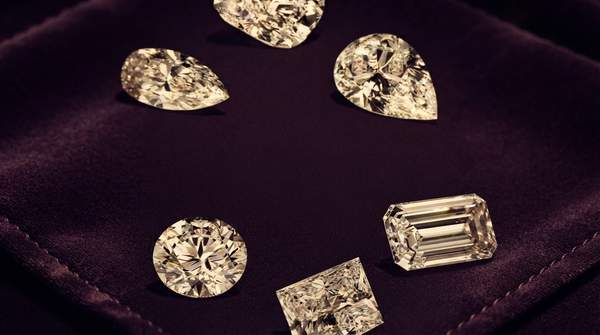
Four Cuts, Four Philosophies: How Cabochon, Round Brilliant, Oval, and Marquise Trade Sparkle Against Strength
Gemstone cuts like cabochon, round brilliant, oval, and marquise represent distinct philosophies in balancing light, color, and durability. Understanding their unique trade-offs reveals the craft and intent behind each shaped stone.
Nov 13, 2026 · 4 min read
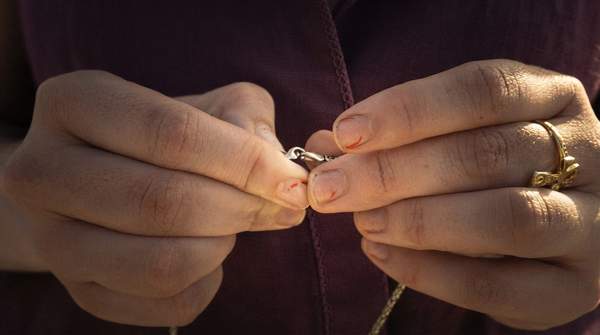
Choosing a Jewelry Clasp: How Security, Ease of Use, and Design Trade Off
Choosing the right jewelry clasp involves balancing security, ease of use, and design, as different types like lobster, spring ring, toggle, box, and S-hooks offer unique trade-offs. The best choice depends on the specific piece of jewelry and the wearer's needs.
Nov 12, 2026 · 5 min read
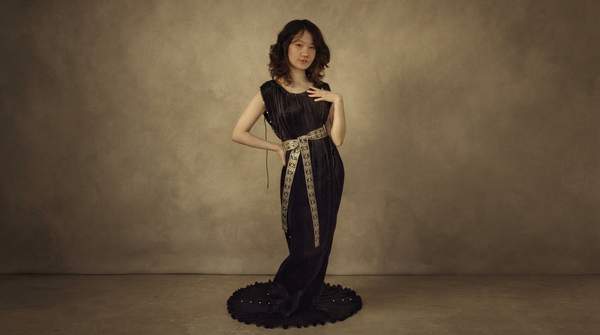
Fortuny, Accordion, and Crystal Pleating: How to Tell Haute Couture's Great Pleats Apart
Haute couture pleating is broadly divided into Fortuny's unique dimensional folds and the flat, uniform styles of accordion and crystal pleating. The article differentiates these techniques by their production methods, visual effects, and iconic examples like the Delphos gown.
Nov 12, 2026 · 4 min read
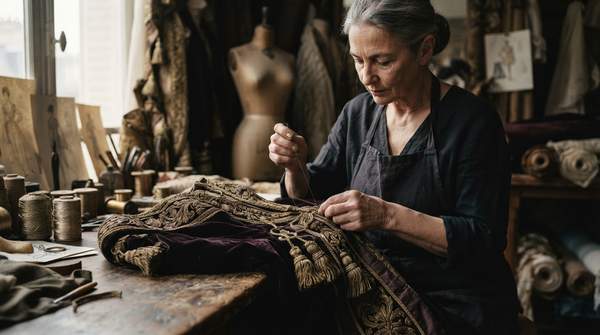
Passementerie in Haute Couture: How an Ancient Luxury Craft Became Integral to Fashion's First Great House
Passementerie, a traditional luxury craft of decorative trimmings, was intrinsically linked to the foundational principles of haute couture established by Charles Frederick Worth in 19th-century Paris. The article explores the symbiotic relationship between the craft's artisanal skill, luxurious materials, and status signaling, and the bespoke, exclusive nature of early high fashion.
Nov 11, 2026 · 5 min read
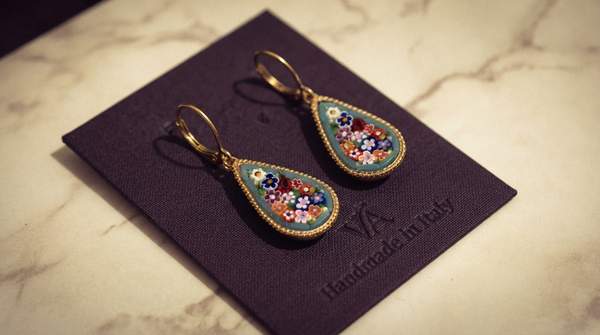
From Molten Glass to Wearable Art: How Micro-Mosaic Jewelry Is Made and How the Craft Evolved
Micro-mosaic jewelry is meticulously crafted from tiny glass tesserae assembled into miniature scenes, a process involving four distinct stages from material preparation to finishing. This demanding art form evolved from ancient Roman techniques, reaching its zenith during the Grand Tour and continuing today.
Nov 10, 2026 · 5 min read
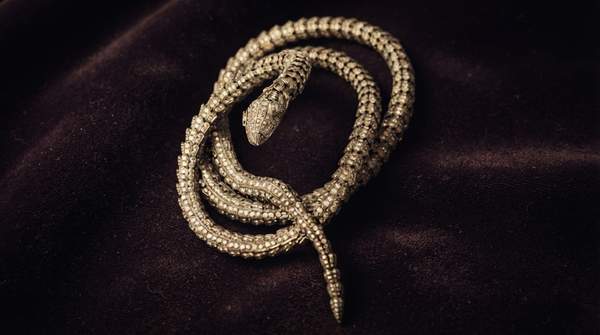
Serpents, Stars and Dragons: How High Jewelry Houses Turned Ancient Symbols Into Signatures
High jewelry houses reinterpret ancient symbols like the serpent, celestial bodies, and dragon, transforming them into iconic brand signatures that carry deep historical and cultural meanings.
Nov 9, 2026 · 5 min read
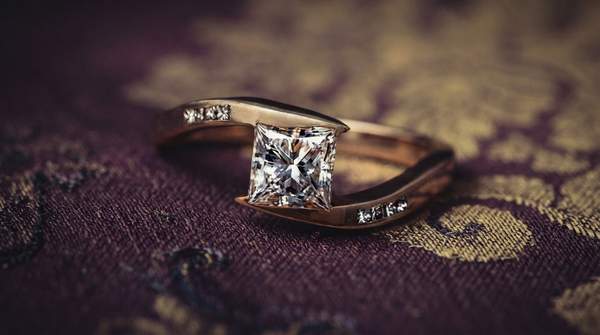
Compression, Not Pull: The Engineering Behind Tension and Invisible Gemstone Settings
Advanced jewelry settings like tension and invisible mountings rely on precise engineering and physics to create dramatic visual effects. Understanding their unique mechanisms, material requirements, and repair complexities is crucial for appreciating their craftsmanship and making informed choices.
Nov 7, 2026 · 4 min read
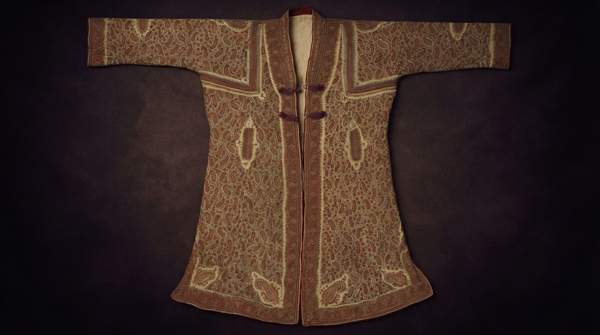
Frog Closures: Two Traditions, One Knotted Fastening
The frog closure, a braided loop-and-knot fastening, descends from two distinct traditions: the functional Chinese pankou and the decorative European military frogging. Understanding their origins helps discern whether these closures are primarily functional or ornamental on a garment.
Nov 7, 2026 · 4 min read
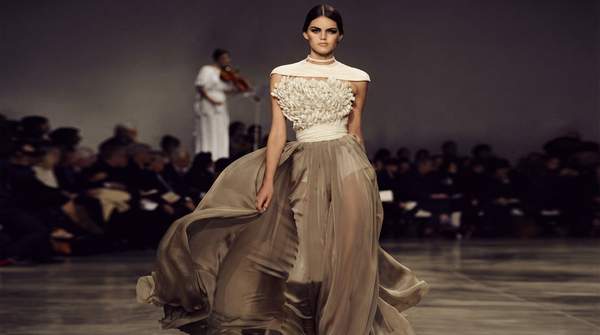
Zardozi and Lunéville: How Two Regional Embroidery Traditions Anchor Modern Haute Couture
Haute couture's intricate surfaces are shaped by distinct regional embroidery traditions like Indian Zardozi and French Lunéville. These centuries-old crafts, executed by specialized artisans, remain central to modern luxury fashion, bridging heritage with contemporary design.
Nov 6, 2026 · 5 min read
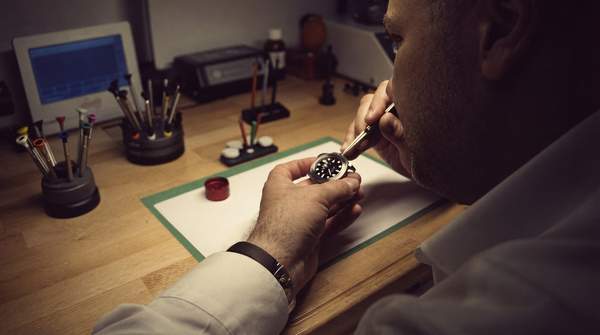
Four Finishing Techniques That Separate Haute Horlogerie From Decoration: A Collector's Comparative Guide
Discover the four key watch movement finishing techniques—Anglage, Perlage, Côtes de Genève, and Black Polishing—and learn how to distinguish true haute horlogerie from mere decoration. Understanding these artisanal skills helps collectors evaluate genuine craftsmanship and time investment.
Nov 6, 2026 · 6 min read
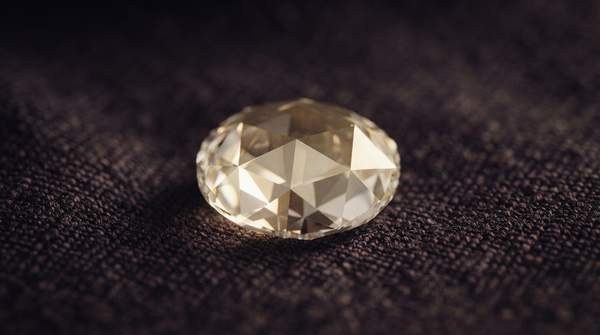
Two Ways to Treat Light: How the Rose Cut and the Opposed Bar Cut Reveal a Gem Cutter's Intent
Gemstone cuts offer distinct answers to how light should behave, from the soft glow of the historical Rose Cut to the geometric patterns of the modern Opposed Bar Cut. Understanding the cutter's intent behind these designs provides a richer framework for appreciating a gem's beauty than brilliance alone.
Nov 6, 2026 · 6 min read
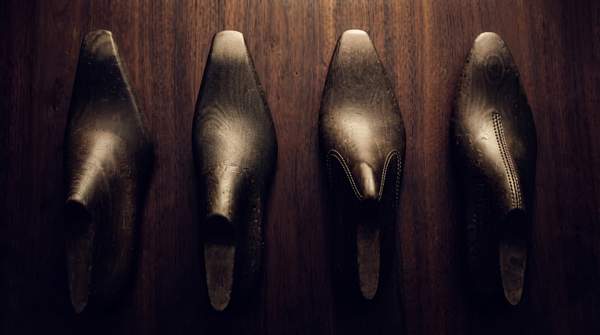
From Foot to Form: How a Bespoke Shoe Last Is Made
A bespoke shoe last is a hand-carved form, meticulously shaped to the unique contours of a client's foot. Understanding this custom process reveals why precision in the last is paramount for the fit and comfort of bespoke footwear.
Nov 5, 2026 · 4 min read
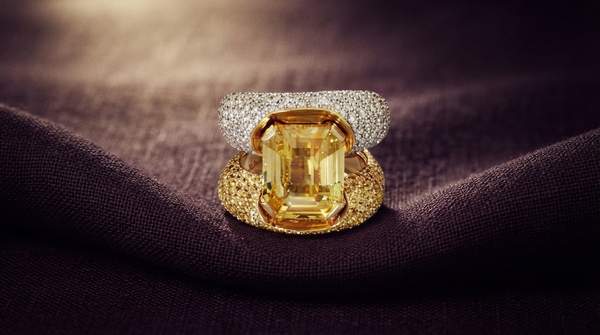
From Art Deco Geometry to Pop Art Boldness: How Three Jewelry Houses Translated Art Movements Into High Jewelry
High jewelry collections frequently draw inspiration from art movements, translating their principles into wearable art. This article examines how Cartier and Van Cleef & Arpels captured Art Deco's geometric elegance and Bvlgari embraced Pop Art's bold exuberance in their high jewelry designs.
Nov 1, 2026 · 5 min read
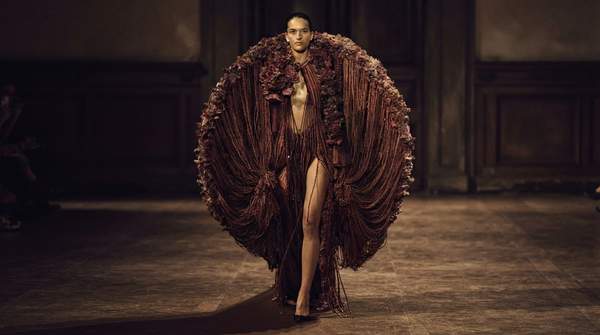
From Private Salon to Global Spectacle: How the Haute Couture Show Was Transformed
The haute couture show has evolved from an intimate private sales meeting into a global cultural spectacle, adapting its purpose, audience, and exclusivity mechanisms across distinct historical eras. This transformation reflects changing media landscapes and market dynamics, shifting from direct sales to aspirational branding.
Nov 1, 2026 · 5 min read
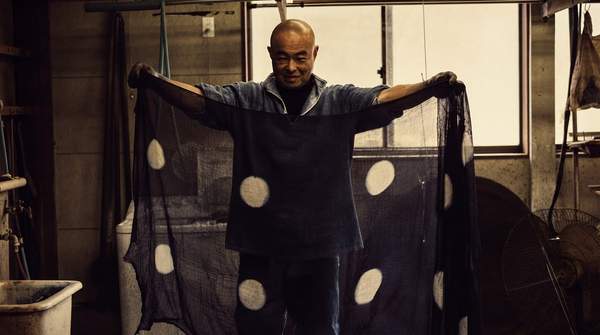
Natural Dyes in Textiles: What They Are, Where They Come From, and Why They Are Returning
Natural dyes, derived from plants, insects, and minerals, offer a sustainable alternative to polluting synthetic colorants in textiles. Their revival is driven by environmental concerns, unique properties, and a rich historical legacy.
Oct 31, 2026 · 5 min read
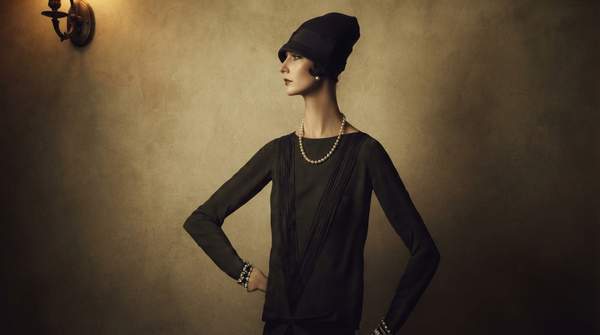
Chanel's 1926 “Ford” Dress: How the Little Black Dress Turned Mourning Color Into a Timeless Wardrobe Essential
Coco Chanel revolutionized fashion in 1926 by introducing the Little Black Dress (LBD) in American Vogue. This simple, versatile garment transformed black from a symbol of mourning into a chic, accessible wardrobe essential that remains timeless today.
Oct 30, 2026 · 4 min read
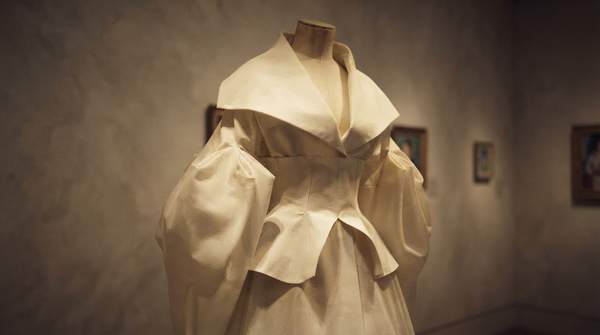
Draping vs. Drafting: How Haute Couture Chooses Its Form
The choice between draping fabric directly on a form or drafting precise 2D patterns is a fundamental decision in haute couture, influencing silhouette, fabric behavior, and production context. Understanding this trade-off reveals the craftsmanship behind a garment's final form.
Oct 30, 2026 · 4 min read
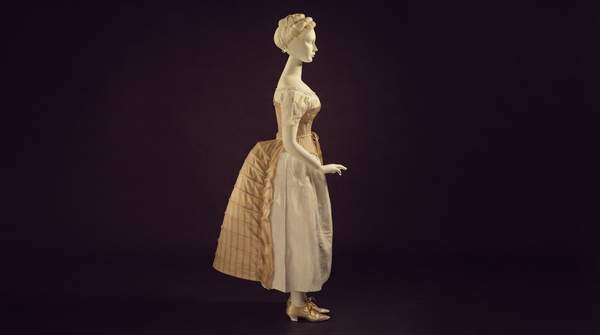
Cage, Pad, and Coil: The Three Engineering Phases of the Victorian Bustle
The Victorian bustle evolved through three distinct structural phases: the First Bustle Era, the Natural Form Era, and the Second Bustle Era, each defined by specific undergarment engineering that created unique silhouettes. Understanding these phases allows for accurate identification of Victorian dress eras based on their underlying construction and shape.
Oct 29, 2026 · 4 min read
Raoul Dufy's Textile Revolution: How a Fauvist Painter Redefined Haute Couture Fabric
Raoul Dufy, celebrated for his Fauvist paintings, significantly impacted haute couture by transitioning his bold lines and vivid colors into influential textile designs for couturiers like Paul Poiret and the manufacturer Bianchini-Férier.
Oct 26, 2026 · 5 min read

From Stitched Folds to Steam-Set Moulds: How to Read the Pleats of Haute Couture
Haute couture pleats are distinguished by their construction method, primarily stitched into garments or set by hand in heat-activated moulds. Understanding these techniques, from precision stitching to heritage mould-setting by ateliers like Lognon, reveals the artistry behind couture.
Oct 26, 2026 · 4 min read