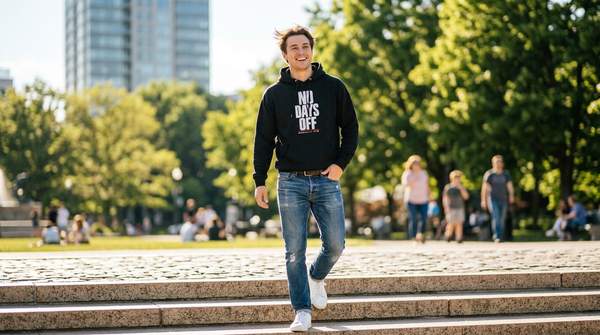
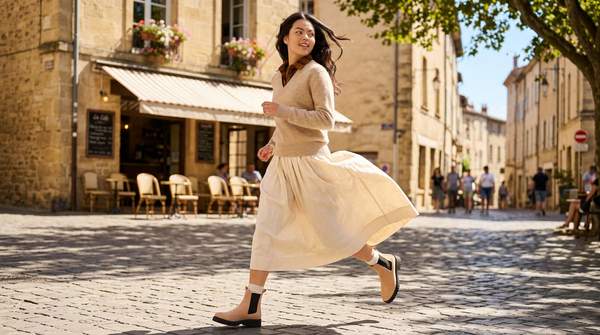
In 2026, a Global Fashion Insights survey revealed that 70% of office workers wear the same outfit to a casual dinner as they do to their workplace. This marks a stark departure from past rigid dress codes. Consumers now demand versatile clothing for all occasions, but this absence of distinct day-to-night rituals may diminish the symbolic significance of getting dressed. Based on these trends, the fashion industry appears poised to pivot further towards adaptable, comfort-driven designs, shaping a more uniform, yet personally expressive, global aesthetic.
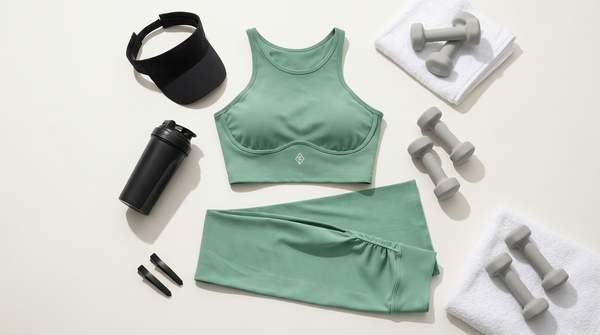
The global athleisure market, projected to reach $549.5 billion by 2028, confirming a strong consumer preference for comfort, according to Statista (2023). This aligns with a Fashion Retail Report (2025) finding that 65% of Gen Z and Millennials prioritize comfort over style. This desire for ease extends beyond single garments; Google Trends (2026) shows searches for "versatile wardrobe" and "capsule wardrobe" up 40% year-over-year since 2022. This collective data shows a fundamental re-evaluation of clothing's purpose: from rigid social signaling to personal utility and comfort. The traditional day-to-night wardrobe, with its segmented categories, increasingly loses relevance.
The Blurring Lines: How Lifestyle Shifts Redefined Our Wardrobes
Post-pandemic, 45% of companies maintain hybrid work models, impacting daily dress codes as fewer professionals commute to traditional offices (Workforce Analytics, 2026). This shift aligns with 80% of consumers aged 18-35 now considering a garment's versatility across multiple occasions before purchase (Sustainable Fashion Survey, 2024). This multi-functionality stems from both economic considerations and a growing environmental consciousness, aiming to reduce textile waste.
Wardrobe statistics confirm these changes: the average number of distinct "work outfits" versus "leisure outfits" owned by urban professionals has decreased by 30% in five years (Wardrobe Census, 2026). This points to a preference for fewer, more adaptable pieces. Social media influencers further normalize this, showcasing outfits that transition from meetings to evening events with minimal changes (Instagram Fashion Trends, 2026). These societal and technological shifts have made traditional day-to-night distinctions impractical, proving one outfit can indeed serve multiple purposes.

The Hidden Costs: What We Lose in the Pursuit of Comfort
The casualization of wardrobes has its detractors. Etiquette experts worry that a lack of formal attire blurs professional boundaries and diminishes respect (Etiquette Today, 2025). They argue distinct dress codes served a purpose beyond aesthetics, providing social cues and reinforcing hierarchies.
The market confirms this decline: sales of traditional evening wear, like ball gowns and tuxedos, have dropped 25% over the past decade, excluding niche luxury markets (Luxury Retail Data, 2024). Shrinking demand for garments tied to grand occasions. A minority of consumers, 15%, report feeling a loss of "specialness" when all outfits become interchangeable (Consumer Sentiment Poll, 2026). While liberating, dissolving dress codes may inadvertently strip away cultural richness and psychological cues, revealing a broader shift in how society values sartorial ritual.
The Rise of the 'Personal Uniform' and Expressive Versatility
The move away from distinct day-to-night dressing cultivates new sartorial expressions. Many professionals adopt "personal uniforms"—curated, versatile pieces—to simplify choices and project a consistent brand image (Style Psychology Journal, 2026). This allows individuals to maintain a recognizable aesthetic across contexts without separate wardrobes.
Designers respond by focusing on modular garments and layering for adaptability (Vogue Business, 2026). Pieces are easily modified for different settings, from adding a blazer for a meeting to swapping accessories for an evening out. "Dressing up" is now often defined by individual interpretation and creative accessorizing, not strict sartorial rules, according to Fashion Theory Quarterly (2025).ct codes (Fashion Theory Quarterly, 2024). This isn't just casualization; it's a shift towards highly individualized, adaptable strategies prioritizing personal expression within a versatile framework.
Navigating the New Fashion Landscape: What's Next?
The industry actively adapts to this evolving consumer behavior. Fashion schools integrate "multi-context design" into curricula, preparing students for a less segmented market (Fashion Education Review, 2025). This educational shift acknowledges the need for garments that perform across various social and professional settings.
Retailers reconfigure store layouts to emphasize "lifestyle zones" over traditional "workwear" or "eveningwear" sections (Retail Futures Report, 2026), better serving consumers seeking adaptable solutions. Investment in smart fabrics for comfort, durability, and wrinkle resistance is also rapidly increasing (Textile Innovation Hub, 2025). These material innovations support the practical demands of versatile dressing, pushing the industry to innovate design, materials, and retail strategies for a consumer base valuing flexibility and personal narrative over rigid categories.
By Q3 2026, fashion brands clinging to traditional day-to-night collections will likely face market irrelevance without a pivot to multi-context design principles; brands like Uniqlo, known for adaptable basics, are well-positioned to capitalize, while others must rapidly re-evaluate their offerings.