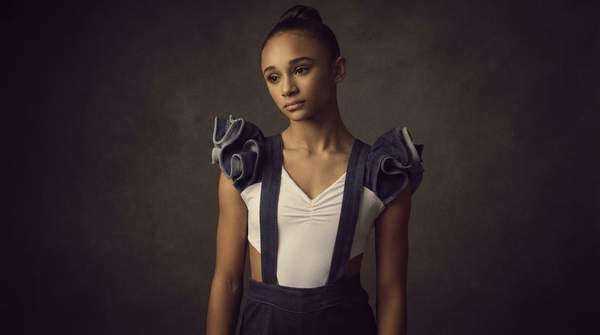
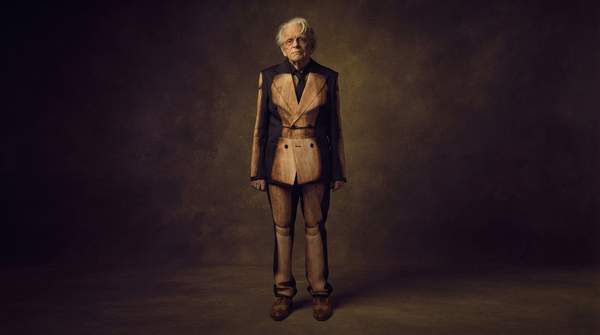
Despite 68% of Gen Z consumers actively seeking gender-neutral clothing, major fashion weeks in Paris and Milan still dedicate separate weeks to 'Menswear' and 'Womenswear' for 2026. This adherence to binary structures risks the industry's relevance, particularly as younger generations increasingly reject traditional norms. The fashion industry publicly champions gender fluidity, yet its most visible platforms remain stubbornly binary. This tension creates a fragmented image, where stated values clash with foundational presentation models. Therefore, traditional gendered fashion weeks are likely to face declining relevance and audience engagement, pushing them towards radical transformation or eventual obsolescence by 2026, unless they adapt to the pervasive shift towards gender fluidity in consumer demand and cultural identity.
Traditional Gendered Fashion Weeks Face Obsolescence
The global genderless apparel market is projected to reach $1.5 billion by 2027, growing at a Compound Annual Growth Rate (CAGR) of 10.5%, according to analyzing genderless fashion trends of consumers' perceptions on .... This financial trajectory is undeniable. A 2024 Fashion Network Poll revealed 55% of fashion industry professionals consider traditional gendered fashion weeks 'outdated' or 'somewhat outdated.' Concurrently, major fashion publications have seen a 30% increase in articles discussing gender-neutral styling and collections over the past two years, based on WWD Editorial Analysis. This convergence of market growth, professional skepticism, and media focus suggests a fundamental disconnect: the industry's traditional showcases are increasingly out of step with contemporary values, prompting questions about their enduring relevance in 2026.
The Irreversible Rise of Genderless Fashion
A 2025 WGSN survey found 68% of Gen Z consumers actively seek gender-neutral clothing, directly influencing purchasing habits, according to the WGSN Consumer Report 2025. Searches for 'genderless fashion' on global e-commerce platforms surged by 150% between 2023 and 2025, as documented by Fashion Tech Analytics. Independent designers are responding: 35% showcased 'gender-fluid' or 'unisex' collections in 2025, a significant jump from 10% in 2020, based on the CFDA Emerging Talent Review. Even major brands like Gucci and Balenciaga increasingly integrate gender-fluid styling into their runway shows, as per Vogue Runway Analysis. This widespread adoption, from consumer demand to creative output, reveals a market that traditional structures fail to adequately serve, often forcing designers into artificial choices or fragmented presentations.
Why Traditional Structures Persist (For Now)
Organizers of Paris Fashion Week cite significant logistical and financial challenges in merging menswear and womenswear schedules, including venue availability and buyer segmentation, according to a Fédération de la Haute Couture et de la Mode Statement. These practical hurdles are real, if not insurmountable. Many heritage luxury brands, as discussed in an LVMH Investor Call Q3 2025, argue distinct lines are crucial for brand identity and established client bases. Retail buyers, too, often prefer separate gendered presentations for merchandising and inventory management, influencing brand decisions, according to a Retail Insider Survey 2025. Yet, these arguments increasingly prioritize tradition over innovation and market demand, suggesting a strategic misstep by major fashion weeks.
Beyond Trend: A Cultural Redefinition of Identity
Over 40% of luxury consumers aged 18-35 report feeling alienated by strictly gendered marketing campaigns, impacting brand loyalty and future sales, as found in the Bain & Company Luxury Study 2024. Academic research from the University of the Arts London suggests rigid gender binaries in fashion perpetuate outdated societal norms, particularly for younger generations, according to the UAL Cultural Studies Journal 2024. This is echoed on social media, where #GenderlessStyle gained over 500 million views in 2025, based on a TikTok Trend Report, with influencers promoting personal style over gendered categories. Even fashion schools, like Parsons, have integrated gender-neutral design principles into their core curriculum, reflecting a shift in foundational education, according to a Parsons School of Design Curriculum Update 2024. This isn't merely a style choice; it's a profound cultural redefinition of identity, rendering traditional binaries increasingly irrelevant.
The Future: Adapt or Become Obsolete
London Fashion Week experimented with a 'gender-neutral hub' in 2024, featuring designers presenting collections for all identities, as reported by the British Fashion Council. The London Fashion Week experiment with a 'gender-neutral hub' in 2024 signals a willingness to innovate. Experts predict that by 2027, at least one major fashion capital will adopt a fully integrated, non-gendered format, according to a Business of Fashion Industry Forecast. Digital fashion platforms and metaverse experiences, already predominantly gender-agnostic, offer a blueprint for future physical presentations, as highlighted in the Decentraland Fashion Week Report 2024. The CFDA has even initiated a task force to explore alternative, inclusive presentation models for New York Fashion Week by 2026, according to a CFDA Press Release. To survive, fashion weeks must evolve beyond their gendered past, embracing inclusive formats that reflect modern identity and consumption, or risk alienating the next generation of luxury buyers.