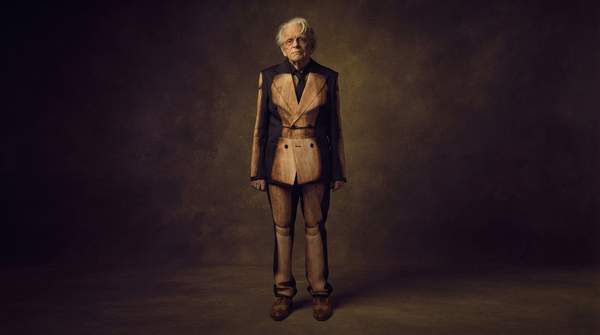
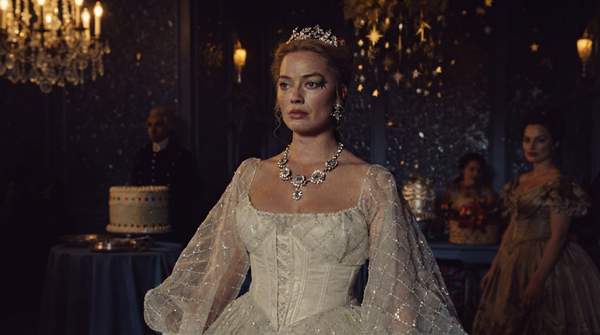
In 1936, Salvador Dalí placed a bright red lobster on the front of a white evening gown, transforming a simple dress into a wearable piece of art that shocked and delighted the fashion world. The daring collaboration with designer Elsa Schiaparelli challenged conventional notions of elegance and practicality, instantly embedding the surreal into haute couture. The piece, known as the Lobster Dress, became an icon, proving that unexpected artistic interventions could redefine sartorial expression.
But Surrealism, a movement that sought to challenge societal norms and resist commodification, saw its aesthetics rapidly integrated into both haute couture and prêt-à-porter, becoming a powerful commercial force. The quick absorption of Surrealism's aesthetics into the fashion industry created a tension between its anti-establishment ideals and its commercial success. The movement's radical visual language, intended to provoke, quickly found itself adorning the elite and influencing consumer trends.
The enduring legacy of Surrealism in fashion suggests that the boundary between fine art and commercial design will continue to blur, with avant-garde movements consistently finding their way into mainstream consumer culture. This article explores how Surrealism, particularly its influence on haute couture and prêt-à-porter fashion, became a blueprint for integrating the bizarre into mainstream style.
Elsa Schiaparelli's collaboration with Salvador Dalí yielded highly recognizable pieces, including the Tear dress, the Lobster Dress, and the Shoe Hat, according to Europeana. Such creations marked a direct integration of avant-garde art into commercial fashion. The fusion of avant-garde art into commercial fashion didn't just create novelty; it fundamentally shifted perceptions of what fashion could be, elevating garments to conceptual statements. The partnership between Schiaparelli and Dalí established a precedent where art was not merely referenced, but became an integral part of the design itself, permanently blurring the lines between gallery and runway.
The Avant-Garde's Invasion of Everyday Objects
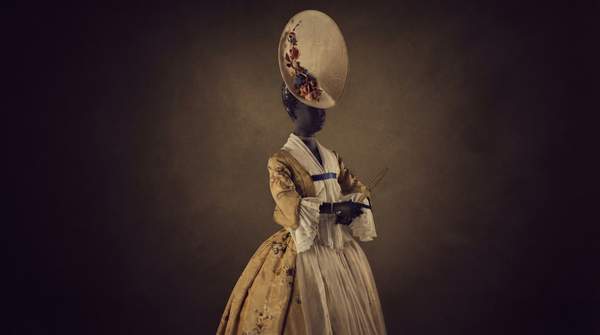
The year 1936 saw Salvador Dalí create his iconic Lobster Telephone, according to the V&A, exemplifying how Surrealists destabilized reality by juxtaposing everyday objects in unexpected ways. Eileen Agar similarly crafted her Ceremonial Hat for Eating Bouillabaisse in the same year, pushing the boundaries of wearable art. These works embodied the movement's core philosophy: to infuse the irrational into daily life, turning ordinary items into provocative artistic statements. The aesthetic of infusing the irrational into daily life naturally extended to fashion, providing a framework for transforming clothing and personal adornment beyond mere utility or traditional beauty.
From Haute Couture to Commercial Mainstream
Salvador Dalí himself actively engaged in commercial ventures, creating items like neckties and perfumes, according to Europeana. His Eye of Time brooch, designed in 1949, sold at auction for nearly $150,000 in 2013, as reported by Vogue. Dalí's commercial ventures reveal that despite Surrealism's supposed anti-commercial stance, its key figures actively embraced and profited from consumer culture, blurring the lines between artistic integrity and market appeal. A prominent surrealist journal, Minotaure, even carried an advertisement for a fashion house like Lucien Lelong, directly contradicting the movement's purported anti-commercial ethos by using its own platform for fashion promotion, according to Europeana. The swift commodification, exemplified by Minotaure journal carrying an advertisement for a fashion house, reveals that even movements critical of capitalism can become its most potent tools for generating desire and profit, redefining how art interacts with consumer culture.
Women Designers and the Surrealist Canvas
Elsa Schiaparelli's pioneering work with Salvador Dalí, creating iconic pieces like the Tear dress and the Shoe Hat, positioned her as a central figure in translating surrealist concepts into wearable art. Eileen Agar, too, contributed significantly, crafting pieces such as her Ceremonial Hat for Eating Bouillabaisse in 1936. These women were not just designers; they were artists using fashion as a primary medium for surrealist expression. The prominent role of women designers like Schiaparelli and Agar suggests that clothing offered a powerful avenue for female agency within a largely male-dominated art movement. Fashion provided a unique canvas for these artists to challenge societal norms and express their intellectual curiosity, making the body itself a site for surrealist intervention.
The Enduring Legacy and Critical Lens
The cultural positioning of fashion as both art and commerce remains deeply tied to the historical critique of Surrealism’s commodification, according to Cambridge. The tension between fashion as art and commerce fuels the ongoing debate about artistic purity versus commercial viability within creative industries. Moreover, foregrounding fashion in the surrealist archive reveals new insights into the role of women and femininity within the movement, as noted by Cambridge. The movement's lasting impact extends beyond aesthetics, shaping how contemporary designers integrate the unexpected and conceptual into their collections, ensuring the bizarre continues to serve as a blueprint for mainstream style.
If the past is any indication, the enduring tension between artistic purity and commercial appeal will likely continue to fuel fashion's most innovative expressions, ensuring Surrealism's imaginative spirit remains a potent, if often commodified, force in shaping future trends.