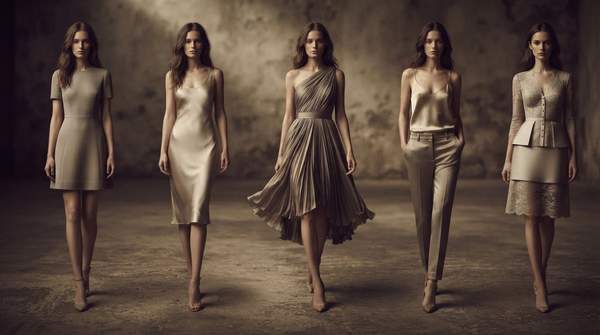
Fashion illustration has persisted for roughly five hundred years, and the arc of its history is one of the more instructive stories in the applied arts: a commercial craft that technology nearly rendered obsolete, only to be revalued as art precisely because it stopped being necessary. Tracing that arc—from its Renaissance-era origins as the primary way to record and sell clothing, through its 1920s and 1930s golden age in magazine publishing, to its displacement by photography and its contemporary revival in digital media and museum exhibitions—reveals how a medium's loss of utility can become the precondition for its aesthetic freedom.
The Enduring Art of Fashion Illustration: A Historical Overview
What is fashion illustration for? The most useful answer I can offer is that its tools have changed constantly while its purpose has remained remarkably stable: to communicate design ideas and to show how garments would function in the real world. That formulation comes from an account of the discipline maintained by the Rocky Mountain College of Art + Design, which notes that where the pencil and paper of earlier centuries once dominated, most illustrators now rely on digital sketching software. The Norman Rockwell Museum's Illustration History collection, cited in the same account, traces the practice back to the Renaissance era.
The dual nature of the form was there almost from the start. A widely consulted encyclopedic summary observes that illustration has existed "ever since clothes have existed," serving both to represent garments before they are converted into patterns and manufactured and as "a form of art" in its own right. That double identity—trade tool and artwork—is the thread running through every era that follows, and the tension between the two roles is what gives this history its shape.