The world of high jewelry is undergoing a quiet revolution, one that redefines the very essence of value and beauty. For decades, worth was measured in carats and the purity of precious metals. Today, a new vanguard of designers is looking beyond the vault, driven by technological innovation, a desire for aesthetic freedom, and a reassessment of what makes a piece truly precious. This shift has introduced a range of unconventional materials and techniques, from aerospace-grade titanium to 3D-printed sand, challenging collectors to appreciate artistry and craftsmanship on new terms.
Over the last twenty years, a significant reassessment of jewelry's true value has taken place, according to an analysis by Katerina Perez. The focus is expanding from the intrinsic worth of materials to the innovation and skill involved in their use. This evolution is not about replacing gold and diamonds, but about augmenting them with materials that offer new possibilities in color, texture, and form. For the modern collector, understanding these new frontiers is key to navigating a market where the most exciting pieces often defy traditional categorization.
Advanced Materials: The New Palette of Possibilities
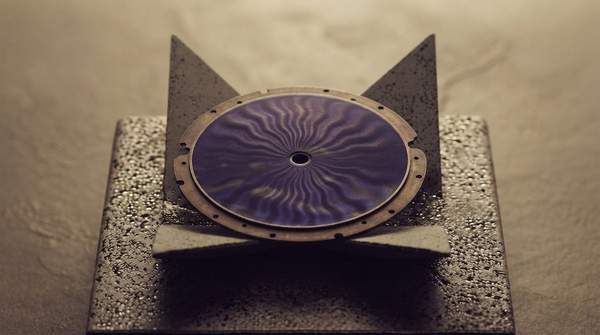
Perhaps the most visible shift in high jewelry is the embrace of materials not traditionally considered precious. Metals like titanium and tungsten, along with modern ceramics, have moved from industrial applications to the jeweler's bench, prized for their unique properties. Titanium, for instance, is significantly lighter than gold or silver, allowing for the creation of large, voluminous pieces that remain comfortable to wear. It is also notoriously difficult to work with, meaning that a finished piece represents a high degree of technical mastery, a factor that contributes to its value.
This trend is driven by several factors, including a growing consumer desire for durability, variety, and personalization, as noted by an article from Van Drake Jewelers. These alternative materials offer a broader palette of colors and finishes, enabling designs that would be impossible with traditional metals alone. Abstract expressionist jewelers, for example, have used such atypical materials to create avant-garde pieces that blur the line between wearable jewelry and fine art. The result is a new aesthetic that prioritizes style and substance, challenging collectors to see value in design innovation as much as in raw material.