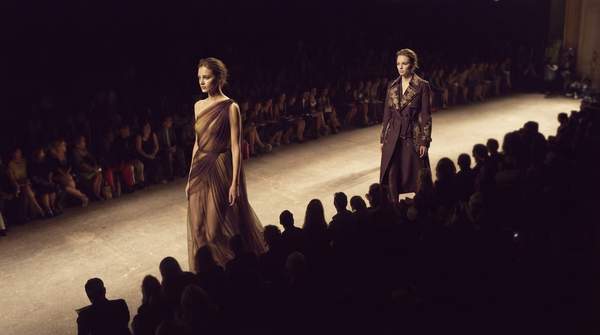
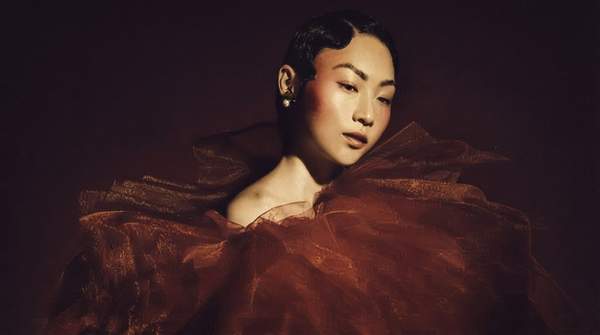
At the 257th Royal Academy Summer Exhibition party, Lily Allen debuted next year's fashion, arriving in a custom 16Arlington gown adapted from the label's spring 2026 collection. Olivia Ozi-Oiza Chance also showcased her Oiza Studio spring 2025 collection. While primarily an art exhibition, according to Vogue, the fashion worn by high-profile guests often becomes the event's most discussed and forward-looking aspect. This blurs the lines between art and attire, positioning the party as a crucial barometer for British fashion trends and emerging design talent, an unsanctioned platform for early buzz.
Fashion Takes Center Stage at the Royal Academy Summer Party
Jessie Ware sported a raw-edge ruffle top with a gingham skirt (WWD), while Jessica Voorsanger combined a 60s dress with a modern white vinyl coat from Vinted and designer shoes (The Guardian). Foday Dumbuya presented a textile collage priced at 3,000 pounds (WWD). These varied choices, from curated personal style to explicit textile art, confirm fashion's role as a dynamic artistic expression. Attendees actively curate living exhibitions, directly competing with the static artworks on display.
How The Royal Academy Party Promotes New Collections
Lily Allen's 16Arlington debut and Olivia Ozi-Oiza Chance's Oiza Studio showcase underscore the event's new function: a platform for designers to test future collections on high-profile figures, generating early buzz (WWD). This shift is evident in media coverage. Vogue emphasizes the 257th Royal Academy Summer Exhibition's artistic core, yet WWD extensively details custom gowns and future collections. This disparity suggests fashion increasingly eclipses art as the main draw for public and media attention.
Why Fashion Draws More Attention Than Art
The 1,700 static artworks (Vogue) struggle against the dynamic fashion choices of guests. Observers often find the 'art' of personal style more culturally relevant, generating more discussion than the curated exhibition itself. Guests like Allen and Voorsanger create a living exhibition through their personalized, often custom, statements. This offers unparalleled, organic marketing. A single celebrity appearance, like Lily Allen in 16Arlington, generates more buzz and perceived value than Foday Dumbuya's £3,000 textile collage (WWD). Media coverage reflects this: WWD and The Guardian focus on specific fashion details, often overlooking the art.