The evolution of fashion show production, from its intimate origins in Parisian salons to the grand, globally streamed spectacles of today, represents a profound transformation in how fashion communicates with its audience. This journey has been continuously shaped by creative vision, logistical innovations, and technological advancements, fundamentally altering the reach and impact of fashion presentations. What began as exclusive showings for a select few has blossomed into a multifaceted global phenomenon, reflecting and influencing societal shifts while redefining the very essence of fashion communication.
From Intimate Salons to Theatrical Catwalks: Early Innovations
Fashion presentations in the 19th century originated as highly exclusive, in-house affairs within Parisian dressmaker houses. These private showings catered to a select clientele, often utilizing saleswomen as models to display the designer's creations, as noted by Encyclopedia.com. This early format emphasized direct interaction and bespoke service, with communication primarily occurring between the designer or sales assistant and the individual client, fostering a sense of exclusivity and personal connection.
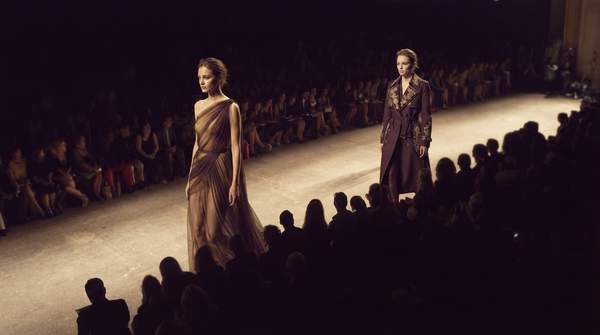
A pivotal shift began with pioneers like Charles Frederick Worth, who extended the display of his designs to the public arena by dressing his wife to promenade in socially prominent areas of Paris, thereby subtly broadening the audience for his creations. The early 20th century saw further innovation with Paul Poiret, a foundational figure in haute couture, who experimented with fashion shows in the 1900s. British Vogue highlights Poiret's desire to showcase his designs in motion, moving beyond static presentations. This creative impulse led to the emergence of the catwalk around 1910 in Paris, marking a significant logistical change from mannequins to live models. This innovation allowed for a more dynamic presentation of garments, emphasizing their movement and drape, and thus broadening the visual language of fashion communication beyond mere static display to include the performative aspect of wearing the clothes.The Rise of Spectacle: Commercialization and Grand Productions
Following World War II, fashion shows underwent a significant commercial and structural evolution. Encyclopedia.com explains that these events transitioned from exclusive in-house presentations to biannual spectacles, reaching a vast cross-section of consumers, the mass media, and the broader fashion industry. This shift was largely propelled by increased consumer awareness of Parisian couture and the burgeoning ready-to-wear industry, which demanded more accessible and frequent presentations. The Indian Institute of Art and Design (IIAD) further elaborates that the runway evolved from a private, lengthy business affair for a few affluent clients into a globally promoted marketing tactic, reflecting the growing influence of modern consumer culture.
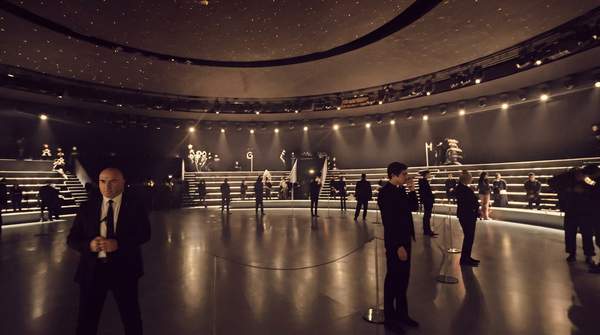
During this period, fashion shows transformed into grand theatrical productions, characterized by elaborate staging, sophisticated lighting, and immersive experiences. Fibre2Fashion describes these events as dazzling spectacles where creativity converges with commerce, serving as crucial platforms for storytelling, trendsetting, and enhancing brand visibility. These productions aimed to convey narratives and artistic visions that extended beyond the garments themselves, capturing the zeitgeist and setting the tone for global style. The communication strategy broadened considerably, moving from direct sales to a more expansive cultural influence, establishing fashion shows as significant events that shaped both style and society. Designers began to use the runway not just to display clothes, but to craft an entire brand universe, engaging audiences on an emotional and intellectual level.