The world's great tea rituals are not interchangeable. Japanese Chanoyu is a silent, meditative preparation of powdered matcha rooted in selfless hospitality; Chinese Gongfu Cha is a study in skill, coaxing many infusions from fine loose leaves; and Moroccan mint tea is an act of social welcome, served to guests as a gesture of connection. For the connoisseur, understanding what each ritual values — stillness, flavor, or company — is the first step toward choosing which tradition to explore. This comparison draws on traditional accounts of each practice; modern variations exist.
Japanese Chanoyu: The Way of Tea and Omotenashi
Chanoyu, also called sadou, "the Way of Tea," is described by practitioners as a distillation of Japanese culture and aesthetics expressed through the simple, refined motions of making and serving a bowl of matcha — the powdered green tea at the ceremony's heart. Intrepid's travel writing explains that chado, "the way of tea," is "rooted in omotenashi, the Japanese philosophy of providing wholehearted hospitality without expecting anything in return."
The ceremony unfolds in silence, in a purpose-built tearoom with a low ceiling and tatami floor, led by a tea master whose every gesture — pouring water, the clink of utensils — is executed with immaculate precision. Etiquette matters as much as technique: the UK Tea & Infusions Association notes that guests turn the bowl to the left before returning it, a gesture of respect toward the host, the teishu. Every element, from decor to tea ware, is chosen to create harmony and balance.
The utensils are a discipline of their own. Specialty retailer Tezumi identifies the chawan (tea bowl), chasen (bamboo whisk), chashaku (bamboo scoop), and the chakin, a bleached linen cloth used to purify the bowl between servings — equipment often reserved exclusively for Chanoyu.
Chinese Gongfu Cha: Skillful Tea Preparation
Where Chanoyu seeks stillness, Gongfu Cha rewards attention. The name translates, in one rendering from the tea specialists at Path of Cha, as "right effort put into tea" — a ritual that has existed for hundreds of years, measuring exact quantities to draw the best taste from loose-leaf tea. Origins trace to Fujian and Guangdong, and the practice has been meticulously refined in Taiwan, where it is described as embodying hospitality, ritual, meditation and mindfulness in equal measure.
The method is distinctive: hot water is added to the same leaves many times, in small, concentrated quantities, so that each infusion reveals a new layer of flavor. Path of Cha likens the experience to an espresso against an americano — the point is to taste and smell every subtle note. Oolong and pu-erh teas are especially favored, since their leaves can be re-steeped numerous times.
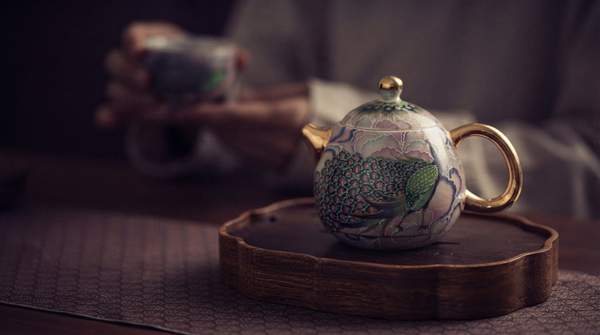
The equipment is correspondingly specialized. Guides to the ceremony list the gaiwan (lidded brewing bowl), the unglazed purple-clay Yixing teapot prized for absorbing and improving flavor, a fairness pitcher, and tiny tasting cups holding roughly 50 milliliters each, from which tea drinkers may sip ten to twenty times over the course of a session.
Moroccan Mint Tea: A Symbol of Hospitality
Morocco's tea ritual answers a different question: not how to perfect the leaf, but how to honor the guest. The Moroccan practice is presented by the same Intrepid account in the context of sharing mint tea with a local Amazigh family in their home — the ritual's defining feature is not a codified set of utensils or a tea master's precision, but the act of welcome itself. The gesture of preparing and pouring tea for visitors carries the social meaning that silence and skill carry in Japan and China.
What distinguishes the Moroccan tradition, in other words, is its audience. Where the Chanoyu guest quiets the mind and the Gongfu drinker studies the evolving flavor of the leaf, the Moroccan gathering places the shared cup — and the conversation around it — at the center of the occasion. It is tea as social bond rather than solitary discipline, a point the accounts of this tradition consistently emphasize.
Global Tea Rituals: A Connoisseur's Comparison
Placing the three rituals side by side reveals how differently each tradition answers the same basic act of brewing tea. The comparison below sorts them across four dimensions — philosophy, tea, steps and serveware — so that the defining choices of each become visible at a glance.
| Dimension | Japanese Chanoyu | Chinese Gongfu Cha | Moroccan Mint Tea |
|---|---|---|---|
| Core philosophy | Wholehearted hospitality without expectation of return; quieting the mind | "Right effort put into tea" — skill, precision and flavor appreciation | Social hospitality and welcome to guests |
| Tea type | Matcha, powdered green tea | High-quality loose-leaf, especially oolong and pu-erh for re-steeping | Mint tea, shared in the home |
| Key steps | Silent, precise preparation led by a tea master; guests turn the bowl in respect | Multiple short infusions of the same leaves; flavor observed changing with each pour | Hosted serving centered on the guest and the shared occasion |
| Essential serveware | Chawan, chasen, chashaku, chakin; utensils often reserved for Chanoyu | Gaiwan or Yixing teapot, fairness pitcher, ~50 ml tasting cups | Accounts of the tradition emphasize the gathering over a codified utensil set |
The contrast is instructive: Chanoyu uses a single bowl of powdered tea as a vehicle for meditative attention, while Gongfu Cha's tiny cups and repeated infusions turn brewing itself into a tasting journey. The Moroccan ritual, by comparison, is defined less by its equipment than by its social role.
The Enduring Philosophy of Tea
Why do these rituals matter beyond technique? Because each encodes a cultural answer to the question of what tea is for. The UK Tea & Infusions Association reminds us that in many countries tea drinking is an important social occasion, and that a Japanese ceremony is above all "a time to relax and enjoy the loveliness of the simple things around you." The Japanese path channels that impulse toward mindfulness; omotenashi makes the host's care itself the substance of the event. These three are representative examples rather than an exhaustive survey — India's chai culture and Russia's traditions exist alongside them — but they map the spectrum cleanly.
Gongfu Cha, meanwhile, treats attention as a form of respect — for the leaf, for the water's temperature, for the layer of flavor that appears only on the fifth steeping. And the Moroccan cup demonstrates that hospitality can be the whole ceremony, no whisk or Yixing pot required. Mindfulness, skill, welcome: three philosophies, three cups.
Elevating Your Tea Experience: Choosing Your Ritual
To elevate your tea experience, consider which ritual's philosophy and practice best align with your personal goals, whether it's meditative mindfulness (Chanoyu), skilled appreciation of flavor (Gongfu Cha), or social hospitality (Moroccan mint tea). The reader will identify specific tea types and serveware associated with their preferred ritual, indicating a clearer path to exploring or participating in that tradition.
In practical terms: if it is matcha, a chawan and a bamboo whisk that draw you, you are following the Way of Tea toward omotenashi. If it is oolong, a gaiwan and small tasting cups, you are entering the practice of skillful brewing. And if what you want is the warmth of the shared pot poured for guests, the Moroccan tradition offers the clearest model. Whichever you choose, note that these descriptions reflect traditional practices as documented — modern adaptations abound, and the next milestone for any connoisseur is simply to witness the ritual firsthand, whether at a tea club in Japan, a gongfu session in China, or an Amazigh family's table.
Sources
- 7 Unique Tea Rituals to Experience Around the World — The Good Times by Intrepid
- UK Tea & Infusions Association - The Art of Tea
- Introductory Guide to Tea Ceremony Utensils — Tezumi
- Gong Fu Cha vs Chanoyu: Key Differences — Path of Cha
- Complete Gongfu Cha Tea Ceremony Equipment Guide — Anshimtea