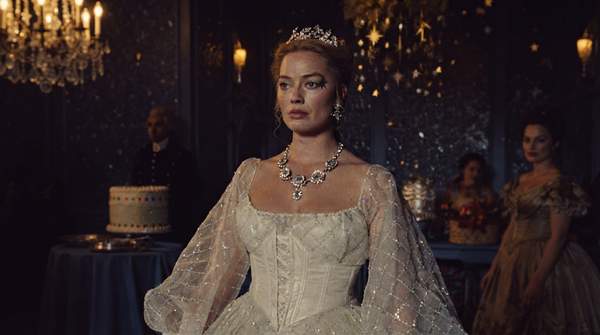
When watching a historical drama, the impulse to judge the authenticity of a gown or the cut of a coat is a common viewer pastime. Yet, to evaluate costume design solely on its historical accuracy is to miss much of the art form. Period costume design is a delicate balancing act, a craft where meticulous research serves as the foundation for choices driven by narrative, character, and the practical demands of filmmaking. The most compelling on-screen wardrobes are often those that know the historical rules intimately enough to break them with purpose.
While designers have a responsibility to research and respect the era they depict, costume design is ultimately a tool to convey stories and meaning. Anachronisms are not always mistakes; they can be deliberate, artful decisions that serve the film's deeper goals. Understanding the trade-offs involved allows for a more nuanced appreciation that moves beyond a simple checklist of what is and is not correct.
A Framework for Analyzing Historical Film Costume Design
Analyzing the costumes of a period film becomes richer when viewed through a framework of competing priorities. Designers navigate a complex set of considerations, and the final look of a film is determined by how these factors are weighed against one another. The decision to favor one element over another is where the artistry lies.
- Historical Accuracy: This is the foundational element. Designers conduct extensive research into the silhouettes, materials, construction techniques, and social codes of an era. As an article in Variety notes, research is the "cornerstone of any historically accurate project." This involves studying paintings, fashion plates, surviving garments, and written accounts to build an authentic visual world.
- Narrative Storytelling: Costumes must serve the plot. Sometimes, strict historical accuracy is sacrificed to help viewers understand the story. This can involve using color to signal alliances or danger, or modifying garments to make a crucial plot point more visible. The primary goal is to ensure the clothing communicates the story's themes and progression effectively.
- Character Arc and Symbolism: Clothing is a powerful tool for defining who a character is and how they change. A costume can make a central figure stand out from a crowd, convey their social status, or symbolize their internal journey. As seen in the film Downton Abbey, a character's wardrobe can evolve to mirror their modernizing status, providing visual cues to their development.
- Production Constraints: The practical realities of filmmaking also play a role. Factors such as budget, the availability of specific fabrics, the physical demands on an actor, and the need for garments to withstand multiple takes can influence design choices, sometimes necessitating deviations from historical construction.