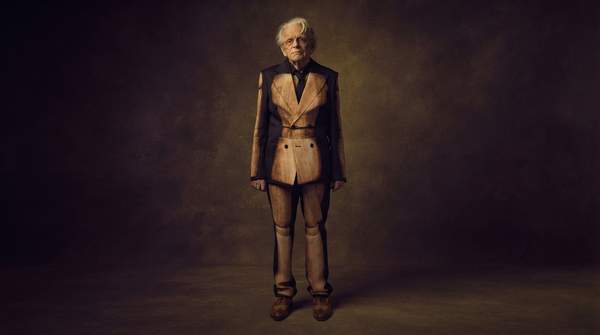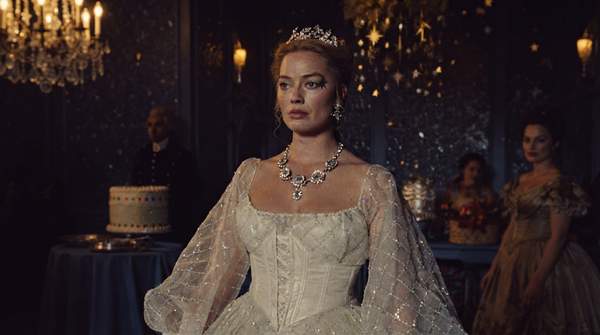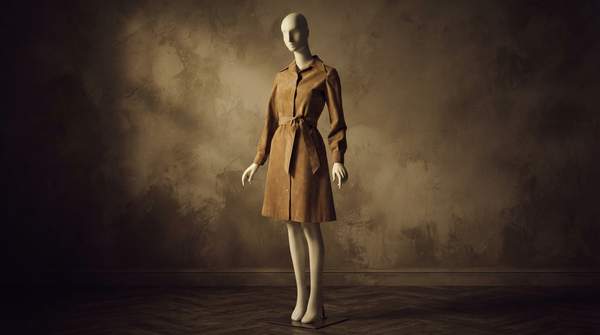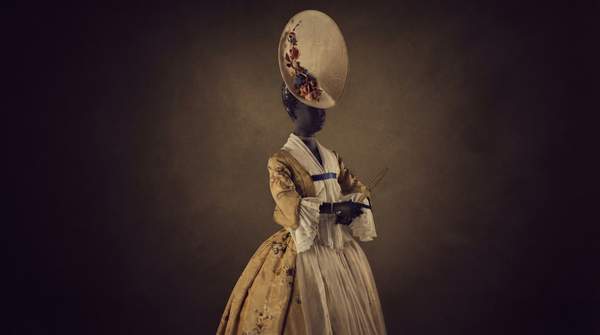
The costumes in the 2026 film adaptation of Sense and Sensibility may look antique, but their references are not. Costume designer Grace Snell deliberately fused the earthy realness of the late Georgian and Regency period—roughly 1795 to 1799—with the styling language of 1980s and 1990s avant-garde fashion, including Romeo Gigli's 1987 Callaghan designs and Comme des Garçons' 1994 Metamorphosis collection. Her stated priority was emotional resonance: as she told ELLE, she tried to view the period piece "from an emotional angle, rather than being shackled to the historical accuracy of the film."
Grace Snell's Vision: Blending Eras for Emotional Resonance
Snell's approach rests on a simple but demanding proposition: that period costume can be both historically grounded and unmistakably modern in feeling. The film, starring Daisy Edgar-Jones and George MacKay, is loosely set in the late 1790s, the moment when Jane Austen wrote her first draft of the novel—a transition from late Georgian to Regency silhouettes. But Snell refused to treat that setting as a museum constraint. Instead, she layered contemporary fashion references on top of period research, aiming for clothes that feel alive rather than embalmed.
What does that mean in practice? Writing in WWD, Julia Teti described the resulting wardrobe in terms rarely applied to turn-of-the-19th-century dress: "grounded, earthy, tangible." That texture is the visible product of Snell's two-pronged method, and it is what distinguishes her work from a straightforwardly faithful recreation.