Passementerie—the art of making braids, fringes, cords, ribbons and piping from silk, cotton or wool, sometimes interwoven with gold or silver—began as a medieval trade practiced by professional silkwomen across Europe's major cities and ended as one of the specialized supplier crafts that made Parisian haute couture possible. Its formalization came in Renaissance France, where the passementier's guild settled in Paris under Henry II and the craft was recognized as one of the twenty-four major trades. By the nineteenth century, the ateliers of paruriers—craftspeople specializing in feathers, artificial flowers, lace, embroidery and passementerie—clustered in the streets between the Opéra and Le Sentier, within a short carriage ride of the grand maisons of Worth, Doucet and Paquin.
What Is Passementerie? Defining the Craft of Embellishment
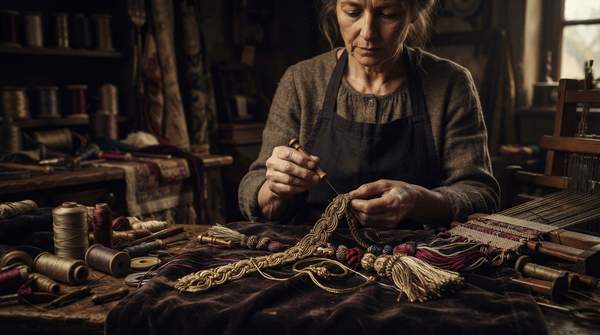
The word itself carries its definition: "passementerie" derives from "passement," a flat, narrow fabric used to trim clothing and drapes for decorative purposes. As the decorative-arts resource of the passementier Félix Monge describes it, the craft is the making of textile decorations for clothing or the home—braids, fringes, ribbons, cords and piping—worked from silk, cotton and wool, sometimes mixed with gold or silver thread. The craft's branches, in that account, include passementerie for women's clothing, for furnishings, and military passementerie.
Later dictionaries confirm the breadth of the term. In The Fairchild Books Dictionary of Fashion (2013), Sandra Keiser and Phyllis Tortora describe passementerie as trimmings—heavy embroideries, braid, tinsel, beads, lace and gimp—used as edging in the nineteenth century. The Fashion History Timeline at FIT illustrates the category with garments rather than abstractions: an eighteenth-century man's suit worked in heavy metallic-thread embroidery, and a small square drawstring bag embroidered in silver metallic threads, wire, metal purl and spangles on white silk satin, in a formalized floral pattern. The common thread across centuries is embellishment applied at the edge: the braid, the fringe, the tassel, the frog.
From Medieval Silkwomen to Renaissance Guilds: Early Origins
The conventional English-language story begins in the sixteenth century, when immigrant populations are usually credited with bringing passementerie skills to the United Kingdom—and that immigration is indeed how the French term entered English. But the silk historian behind Gina B Silkworks argues that this account "completely ignores the work of the English silkwomen, who for centuries before created fine textile trimmings literally fit for a king." Professional silkwomen could be found in all the major cities of medieval Europe, including London: skilled businesswomen who produced luxury silk goods for the ornamentation of clothing and furniture.
The craft's deeper provenance lies further east. The Félix Monge account traces passementerie to the East, introduced to Europe during the Crusades, and describes it as present since ancient times. Its European coming-of-age arrived during the Renaissance, when passementerie was recognized as one of the twenty-four major trades—a signal that what had been a scattered set of skills had become an organized, regulated occupation with recognized masters.
The Rise of French Passementerie and the 16th-Century Guilds
France is where the craft acquired its institutions. Under Henry II, the guild of passementiers settled in the Saint-Augustin district of Paris, giving the trade a fixed geographic and legal home in the capital. The guild system formalized training and standards; the social-media history of the craft that circulates among its modern practitioners records the Guild of Passementiers and its seven-year apprenticeship, a duration that conveys something of the manual complexity—work performed on looms and with bobbins—that defined the trade before mechanization.
The craft's French peak came under Louis XIV, when royal interiors were adorned with richly decorated bed canopies, baldachins and draperies, as were the elaborate toilettes of court ladies. By the eighteenth century, the French passementerie industry was very well established, in the account of Gina B Silkworks, and the Fairchild dictionary's period definitions—trimmings of gold, silver or silk lace, galloon, fringe and tassels for clothes or furniture—describe a mature luxury trade supplying both wardrobe and interior. An eighteenth-century gentleman's suit heavy with metallic-thread embroidery was, on this evidence, a walking advertisement for the passementier's art.
The Evolution of Passementerie: A Historical Timeline
Read in sequence, the surviving accounts of the craft trace a clear trajectory: from dispersed medieval production, through guild formalization in Paris, to industrial consolidation and finally integration into haute couture. The chronology below assembles the documented milestones.
| Era | Key Development | Geographic Center | Associated Terms and Forms |
|---|---|---|---|
| Medieval period | Professional silkwomen produced luxury silk trimmings "fit for a king" in all major European cities | London and major cities of medieval Europe | Silk goods for ornamenting clothing and furniture |
| Crusades onward | Craft of Eastern origin introduced to Europe; present since ancient times | East to Europe | Decorative textile arts |
| Renaissance | Passementerie recognized as one of the twenty-four major trades | Europe, formalizing in France | Regulated guild craft |
| 16th century | Guild of passementiers settled under Henry II | Saint-Augustin district, Paris | Guild system; seven-year apprenticeship |
| Reign of Louis XIV | French peak: royal interiors and court dress richly adorned | France | Bed canopies, baldachins, draperies, braids, fringes, ribbons |
| 18th century | French passementerie industry very well established; term enters English via immigration | France; United Kingdom | Gold, silver and silk lace, galloon, fringe, tassels |
| 19th century | Trimmings ubiquitous in bourgeois interiors and fashion; paruriers' ateliers cluster near the couture houses | Paris, between the Opéra and Le Sentier | Paruriers; edgings, braids, beads, gimp |
Passementerie in the 19th Century: The Haute Couture Connection
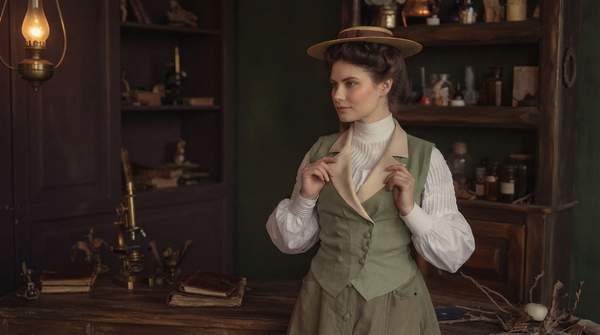
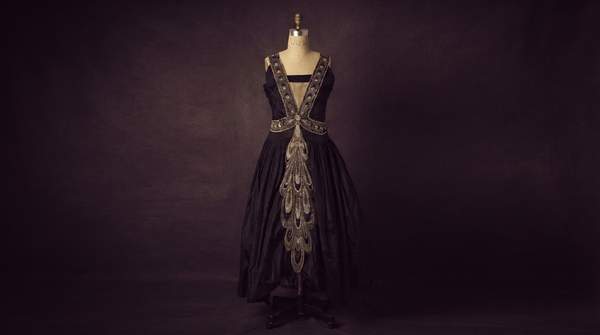
The nineteenth century is where the craft's history and high fashion's history converge. As the textile historian Rebecca Devaney recounts, the Belle Époque saw the dawn of haute couture when Charles Frederick Worth, Jacques Doucet and Jeanne Paquin established their maisons on Rue de la Paix in Paris's second arrondissement, with Louis Vuitton, Redfern and the Callot Soeurs a short carriage ride away. As haute couture flourished, the streets between the Opéra and Le Sentier filled with the ateliers of paruriers—craftspeople who specialized in feathers, artificial flowers, passementerie, lace and embroidery.
Proximity was the mechanism. The paruriers did not merely coexist with the couture houses; they supplied the embellishments that distinguished a couture garment from a dressmaker's copy, and their concentration in the Sentier district put them within reach of the maisons' workrooms. The district's character is visible in Devaney's account of the Midinettes—young women who worked in the surrounding haute couture ateliers and rushed through the streets of Sentier on their way to and from work, their financial independence marking changing roles for women in society. Maison Hurel, a family-run embroidery atelier established in 1879 at Place de la Bourse, exemplifies the durability of these supplier houses: it remains, in Devaney's telling, in its fifth generation.
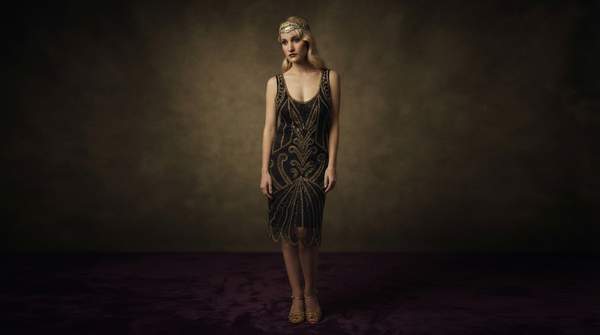
The Fairchild dictionary's nineteenth-century definition—trimmings used as edging—captures what the paruriers supplied at scale: the braids, beads and gimp applied at the margins of couture garments, while bourgeois interiors across Europe displayed the same vocabulary of refinement in their furnishings.
Passementerie's Enduring Legacy in Luxury Fashion
The reader should recognize passementerie as a historically rich and continuously relevant specialized craft, essential to the definition and execution of haute couture. Its arc runs from the East, through the hands of medieval silkwomen, into the guilds of Renaissance Paris, the state splendor of Louis XIV, and finally the ateliers of the Sentier, where it became one of the supplier trades on which the couture system was built.
The craft's own historians note that it has now "almost disappeared" in its meticulous historical form, yet Gina B Silkworks records a quiet comeback in fashion and interiors—decorative passementerie frogs on Carole Middleton's outfit drew comment in press coverage—and trimmings are even used as a basis for modern jewellery. The measurable indicator of the craft's continued life is the presence of intricate trimmings and embellishments in contemporary couture collections and luxury interiors: watch the braid, fringe and frog on each season's runway, and the centuries-old trade is still visible at the edge of the garment.
Sources
- The Passementier — FELIX MONGE
- passementerie — Fashionhistory
- A Brief History of Passementerie — Ginabsilkworks
- The Origins of Haute Couture: from Opéra to Le Sentier — Textile Tours of Paris