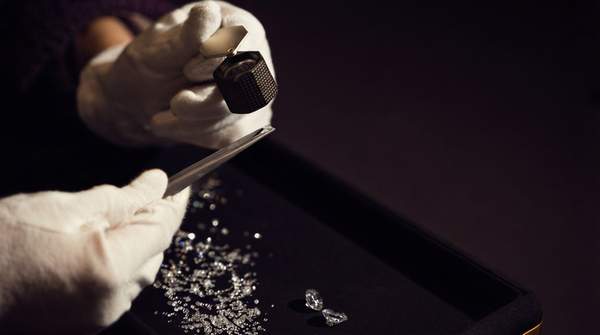
The cut of a gemstone is the single most consequential factor in its visual life, dictating the intricate dialogue between the stone and the light it encounters. This artistry of faceting determines whether a gem will burst with a fiery, scintillating display or command attention with serene, dramatic flashes. For the discerning collector or prospective buyer, the choice between cuts is a decision of aesthetic philosophy, a preference for one of two distinct styles of beauty. Understanding the principles that divide the world of brilliant cuts from that of step cuts is the essential first step in selecting a stone that perfectly embodies a personal vision of elegance, be it one of modern radiance or of storied, vintage romance.
The Dazzling World of Brilliant Cuts
Brilliant cuts are a triumph of optical engineering, designed with a multitude of facets angled with precision to maximize a gemstone's internal reflection and light return. This cutting philosophy is for those who prioritize a dynamic, vibrant sparkle. The quintessential example is the Round Brilliant, whose 57 or 58 facets are arranged to produce what is widely considered the zenith of fire and sparkle intensity. Its meticulously calculated proportions have established it as the modern benchmark for brilliance, creating a dazzling dance of light that has become synonymous with the classic diamond.
Beyond the perfect circle, the brilliant style extends to other shapes, each with its own character. The Radiant cut, with its 70 facets, is a masterful hybrid, wedding the clean, trimmed-corner silhouette of an emerald cut with the fiery heart of a brilliant. It is engineered to produce a dramatic and intense flash, offering a powerful statement of modern glamour. The Cushion cut, by contrast, offers a softer interpretation of brilliance. Its rounded corners and larger facets produce a dazzling sparkle and fire, but with a gentler, more romantic quality. With a variable facet count, the Cushion cut often evokes a distinct vintage charm, a nod to its historical predecessors and a choice for those seeking timeless allure.
The Elegant Allure of Step Cuts
In stark contrast to the fiery exuberance of brilliant cuts, the step-cut style is an ode to clarity, geometry, and understated grace. Defined by long, parallel facets arranged like the steps of a staircase, this method does not aim for an explosion of sparkle. Instead, it seeks to emphasize a gemstone's innate transparency and clean lines, producing broad, dramatic flashes of light. The most iconic of this family is the Emerald cut. Its large, open table acts as a clear window into the heart of the stone, making exceptional clarity a prerequisite. An article by Michael Nektalov for Nekta New York describes its unique visual signature as a mesmerizing "hall-of-mirrors" effect, which creates "flashes of light that dance in parallel lines across the surface."
The Asscher cut is the Emerald's charismatic square counterpart, sharing the same step-cut philosophy but with a more concentric, hypnotic appeal. Its 58 facets are arranged to draw the eye inward, creating a captivating pattern of controlled brilliance and architectural flashes. The Asscher cut’s strong geometric lines give it a distinctly Art Deco sensibility, appealing to those with an appreciation for vintage sophistication and bold design. For both the Emerald and Asscher cuts, the aesthetic reward is not a scattered scintillation but a confident, elegant gleam that highlights the purity of the gem itself.