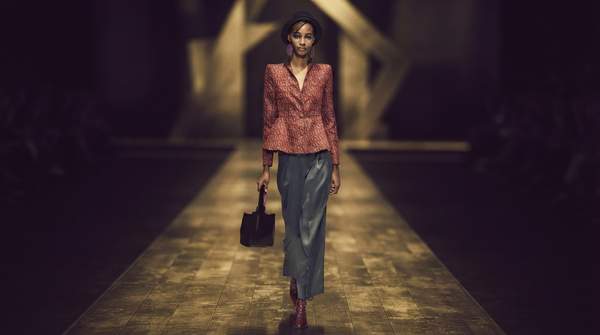
The dominant high-fashion silhouette underwent one of its sharpest reversals in modern memory between the 1970s and the 1980s. The 1970s favored supple, body-skimming forms built on fluid fabrics and easygoing separates; the 1980s answered with broad padded shoulders, sharp tailoring, and sculptural, armor-like suits. Understanding what changed, and why, requires looking at the designers, materials, and social forces behind each silhouette.
This comparison focuses on the two dominant silhouettes of the decades: the soft 1970s look associated with designers such as Halston, and the power silhouette of the 1980s shaped by Claude Montana, Thierry Mugler, and their Parisian contemporaries.
The Liberated 1970s: Embracing the Soft Silhouette
Writing in Vogue on the decade's fashions, Lilah Ramzi describes a 1970s wardrobe in which "all shared a supple quality, and the female body was on glorious display in slinky pieces that skimmed the figure." An August 1977 Vogue feature distilled the mood into a single phrase: "Sportswear Dress: The Word Is Soft."
That softness was practical as much as aesthetic. As Ramzi notes, comfort was paramount "especially as women entered the workforce in droves and needed smart yet practical fashion for the job." The era's signature material reinforced the effect: polyester, particularly in double-face knits, "brought the era's fashionable silhouettes to life" in sweater-y suits and clingy separates. Polyester's rise also coincided with a structural shift in the industry itself, as couturiers including Pierre Cardin, André Courrèges, Yves Saint Laurent, and Emanuel Ungaro poured their energy into ready-to-wear after Balenciaga closed his Paris house in 1968.
Halston exemplified the look, and Ramzi highlights his "soft touch," including a best-selling ultrasuede shirtdress. His angora, wool, and cashmere pieces point to the era's defining quality: luxury that moved with the body rather than reshaping it.
The Assertive 1980s: The Rise of the Power Silhouette
The following decade inverted nearly every one of those values. Vintage-clothing historian April Ainsworth describes the 1980s silhouette as "boxy to the shoulder line with a generally slim silhouette to the waist and hip," with skirt shapes accentuated by mermaid hems and poufs, and trousers tapering to pegged hems.
Where the 1970s skimmed, the 1980s armored. Ramzi's Vogue retrospective on the decade reports that designers including Claude Montana, Emanuel Ungaro, Thierry Mugler, Jean Paul Gaultier, and Yves Saint Laurent crafted suits and skirt suits "that wore like armor—shoulders were exaggerated and padded, double-breasted silhouettes made a figure loom larger than it was, and peplums made the wearer even more imposing." Notably, she adds that the look was not androgynous: beadwork, fabrication, and bold colors separated it from traditional men's tailoring.
Two names dominate the story. Montana, who launched his eponymous label in 1976 after punk-inflected early collections, "exponentially enlarg[ed] the shoulders and sleeves each season," and critics grouped him with his rival Mugler as leaders of what was called the "Star Wars" era of angular, space-age garments, according to the Fashion Career Blog's account of his career. Fashion archive epopli likewise places Montana and Mugler at the center of theatrical 1980s Paris fashion. At the couture level, Karl Lagerfeld's 1983 appointment to revive Chanel and Christian Lacroix's extravagant big skirts and balloon sleeves carried the same assertive, maximalist spirit, as the Fashion Institute of Technology's timeline records.
Comparative Analysis: 1970s Soft vs. 1980s Power Silhouette
Setting the two silhouettes side by side reveals the decade's design reversal most clearly: every defining element—shape, fabric, structure, and leading practitioners—moves in the opposite direction.
| Feature | 1970s Soft Silhouette | 1980s Power Silhouette |
|---|---|---|
| Silhouette shape | Supple, slinky, body-skimming; pieces that skimmed the figure | Boxy at the shoulder line, slim to the waist and hip; broad, padded shoulders |
| Key materials | Polyester, especially double-face knits; angora, wool, cashmere, ultrasuede | Structured fabrics and body-conscious leather; bold colors and beadwork |
| Defining structural elements | Soft, easygoing separates; comfort as the guiding principle | Exaggerated padded shoulders, double-breasted fronts, peplums, sharp tailoring |
| Key designers | Halston (soft touch, ultrasuede shirtdress) | Claude Montana, Thierry Mugler, Karl Lagerfeld, Emanuel Ungaro, Jean Paul Gaultier, Yves Saint Laurent, Christian Lacroix |
Read across its rows, the table traces a shift from comfort and fluidity to assertion and structure: the body displayed in the 1970s becomes, in the 1980s, a figure made to "loom larger than it was."
From Fluidity to Form: Socio-Economic Drivers of Change
The reversal was not purely aesthetic. Ramzi explicitly ties the power suit to its moment: the work of the 1970s Women's Liberation Movement, notably the Equal Credit Opportunity Act of 1974, had "leveled the playing field, especially when it came to finances," and in a booming economy, "women wanted in." The suits that followed dressed that ambition.
The 1970s context points in the same direction from the other side. Women were already entering the workforce "in droves," and the decade's practical, comfortable sportswear answered that reality with clothes that moved. What changed in the 1980s was the stance those clothes projected: the same working woman, now asserting herself in a prosperous economy, was given shoulders and structure that Ramzi describes as armor.
A second economic current ran through couture itself. Vogue reports that with the booming economy and new wealth creation in the Middle East, "couture had a new wind in the 1980s"—reviving a segment that had waned alongside polyester's rise in the prior decade. Extravagance had a paying clientele again, and Lacroix's over-the-top designs for a wealthy clientele fit the times as squarely as Montana's leather.
It should be noted that this account synthesizes fashion-history descriptions with explicit references to women's professional roles and economic conditions; the evidence supports a strong correspondence rather than a single proven causal chain.
Recognizing the Legacy: Identifying Iconic Silhouettes
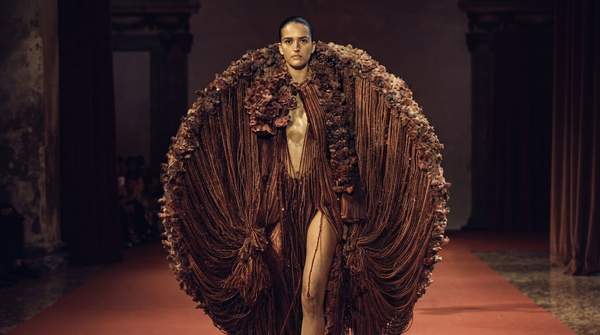
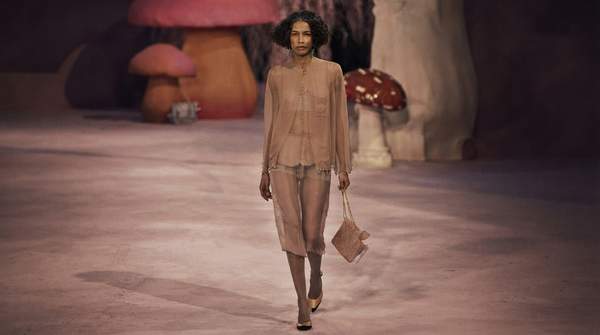
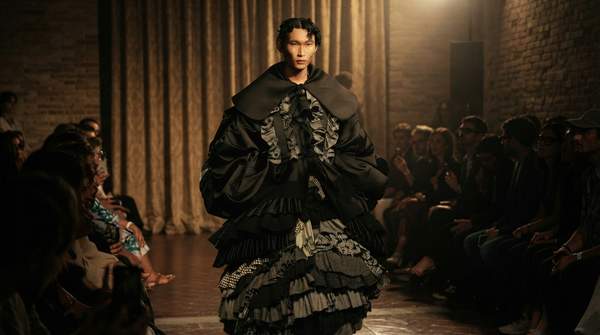
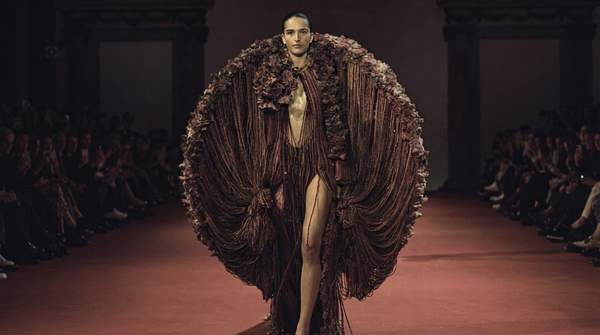
For the reader, the practical value of this comparison is the ability to identify and appreciate the distinct characteristics of the 1970s soft silhouette and the 1980s power silhouette in fashion history and contemporary designs. The distinction rests on observable features: fluid, figure-skimming polyester and knit separates on one side; exaggerated padded shoulders, boxy upper bodies, sharp tailoring, peplums, and structured leather on the other.
The measure of understanding is being able to differentiate between garments that embody the fluid, body-skimming qualities of the 1970s and those featuring the structured shoulders and assertive tailoring of the 1980s—whether examining archival runway images, vintage pieces, or the recurring revivals of both looks on contemporary couture runways. Montana's death in 2024 prompted fresh tributes to precisely this legacy, with the Fashion Career Blog noting that his bold, structured pieces "continue to inspire designers today."
Where the two aesthetics persist in current collections, shoulder line remains the fastest diagnostic: a slim, unpadded, body-following line signals the 1970s inheritance; a widened, built, sculptural one signals the 1980s power silhouette and its ongoing influence on haute couture.
Sources
- A 1970s Fashion History Lesson: Disco, Denim, and the Liberated Woman — Vogue
- 1980s Fashion History — Vintage Vixen Clothing
- A 1980s Fashion History Lesson: Lycra, Power Suits, and Clothing as Concept — Vogue
- The Legacy of Claude Montana, the Power Dressing King of the 80s — The Fashion Career Blog
- Claude Montana: Shoulders and Space to Move — EPOPLI
- 1980-1989 — Fashionhistory