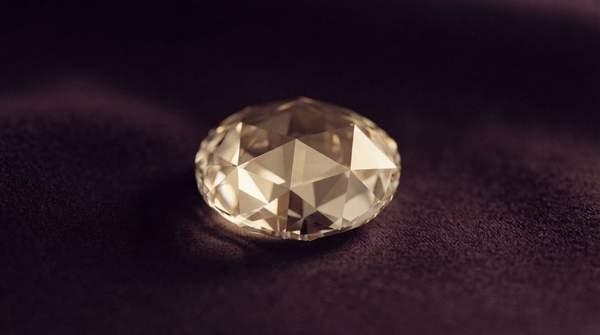
Discerning jewelry collectors and enthusiasts often seek to understand the unique optical properties and historical context of gemstone cuts, which significantly influence their aesthetic appeal and perceived value. Early gemstone cuts, such as the Rose, Table, and Step (including Emerald and Asscher variations), represent distinct periods in lapidary history, each shaped by available technology, prevailing lighting conditions, and the aesthetic preferences of their respective eras.
These historical cuts offer a visual experience distinct from modern brilliant cuts, often producing a softer, more romantic glow rather than intense scintillation. Understanding their design principles and characteristic light performance is essential for appreciating the craftsmanship of antique jewelry and for informed collecting or custom design.
The Evolution of Gemstone Cutting: From Early Forms to Refined Facets
The journey of gemstone cutting began with the simple polishing of natural crystal faces, evolving as lapidaries gained a deeper understanding of how light interacts with different stones. Early diamonds, for instance, arrived in Europe as uncut octahedra from India, initially valued more for their hardness than for any inherent brilliance, according to Antique Jewellers. As techniques advanced, more structured cuts emerged, reflecting a growing comprehension of light behavior within a gemstone, as noted by BEADS CO.
This evolution was not merely an artistic endeavor but was also influenced by the practicalities of the time. Antique cuts were often designed to perform optimally under specific lighting conditions, such as candlelight or gaslight, which produced a warm, rolling glow. This contrasts with the sharp flash often associated with contemporary stones, as explained by Antique Jewellers. Lapidaries continuously experimented, recognizing that the chemical, optical, and physical properties of various stones necessitated modifications in cutting angles, though early scientific justification for these angles was often limited, according to The Plumb Club.
Rose Cut: Shimmering Elegance for Candlelight Eras
The Rose Cut, popular from the 16th century through the Georgian and Victorian eras, is a defining example of historic craftsmanship. This cut features a flat base and a domed top covered in triangular facets, which can range in number from 3 to 24, with variations like the Dutch Rose typically having 24 facets, as described by BEADS CO and Antique Jewellers. Its design was specifically intended to maximize sparkle under candlelight, producing a soft, shimmering effect rather than the intense brilliance sought in modern cuts, according to BEADS CO.
The Rose Cut's understated glow and elegance made it a favored choice for antique jewelry, where its gentle light complemented intricate metalwork. Its unique light performance, characterized by a romantic quality, connects it directly to the environments in which it was originally worn, emphasizing surface luster over internal fire.